







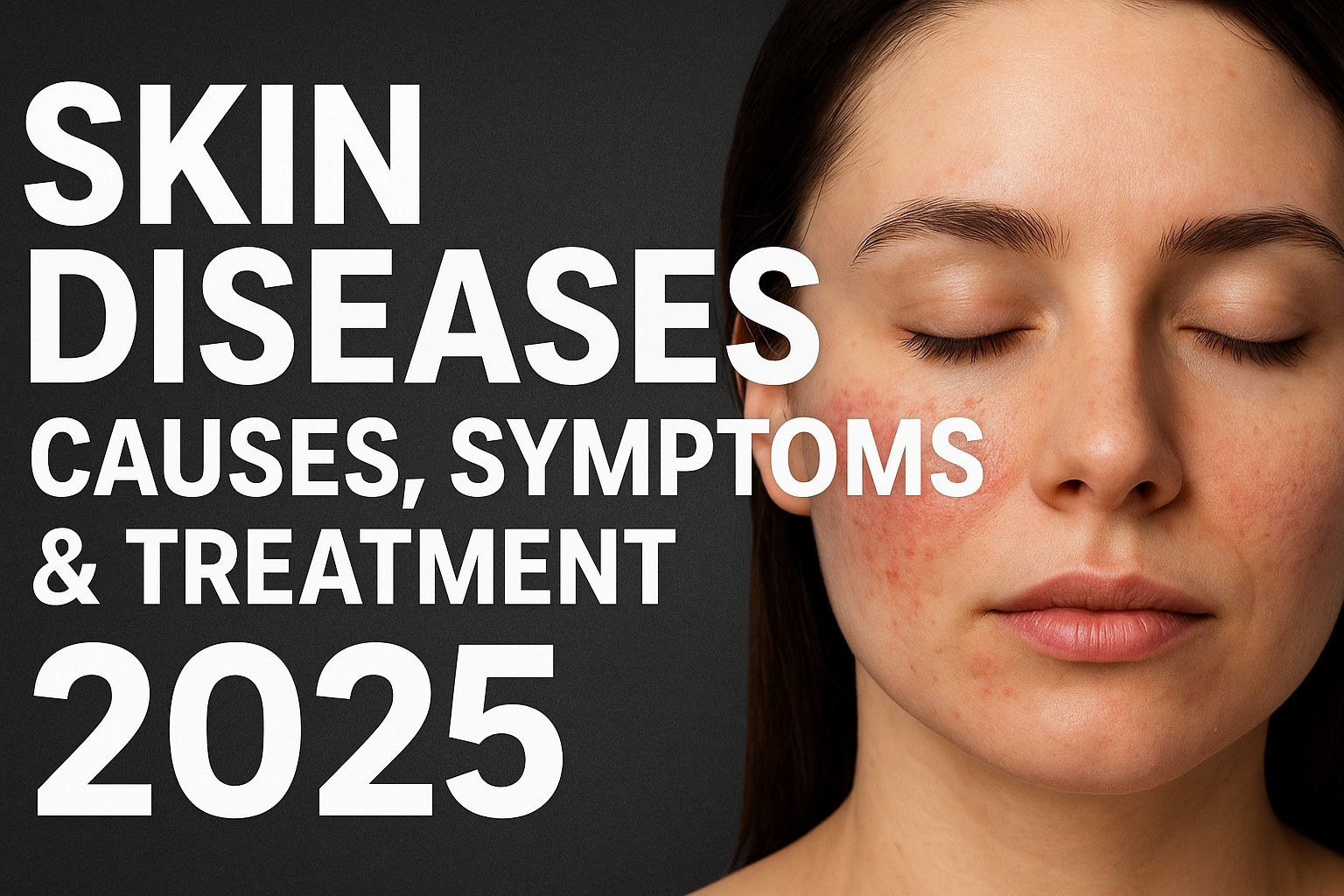
Skin is the largest organ of the body and the most visible part that reflects our overall health. In 2025, as pollution, stress, diet changes, and lifestyle habits evolve, skin diseases have become increasingly common among people of all ages. Understanding the main skin problems, their causes, and their treatment methods is essential for maintaining healthy, glowing skin. Let’s explore the most common skin diseases, their symptoms, causes, and effective modern treatments that can help prevent and cure them naturally or medically.
Visit more details about skin here Skin Diseases: Types of, Symptoms, Treatment & Prevention”
Understanding Skin Diseases in Today’s World
Our skin is exposed to sun rays, dust, bacteria, and environmental toxins every day. The rise of industrial pollution, poor skincare habits, and junk food culture has made skin more vulnerable than ever. Dermatologists around the world are noticing a growing number of cases of acne, eczema, psoriasis, and fungal infections. In most cases, early diagnosis and correct skin care can make a big difference.
Skin diseases causes and treatment depend on various factors such as age, immunity, hygiene, and genetics. Some issues are temporary, while others can be chronic or long-lasting. Let’s break down the main causes that lead to skin problems.
Main Causes of Skin Diseases
- Poor Hygiene: Not washing your face or body regularly, or using harsh soaps, can cause bacterial growth leading to acne, boils, or fungal infections.
- Hormonal Imbalance: Teenagers and adults often face acne due to hormonal fluctuations, especially during puberty, pregnancy, or stress.
- Unhealthy Diet: Eating processed foods, fried items, and sugar-rich diets can trigger skin inflammation. Lack of vitamins and minerals also weakens the skin’s natural defense system.
- Allergies: Some people are allergic to certain products, fabrics, or foods. Contact dermatitis is a common allergic reaction caused by exposure to irritants.
- Sun Exposure: Overexposure to sunlight without protection leads to tanning, pigmentation, and even skin cancer in severe cases.
- Pollution and Toxins: Air pollutants clog pores and irritate the skin, causing premature aging and dullness.
- Stress and Sleep Deprivation: Stress increases cortisol levels in the body, leading to breakouts and other inflammatory skin conditions.
- Genetic Factors: Many skin diseases, such as psoriasis or eczema, run in families and have strong hereditary links.
Understanding these causes helps dermatologists choose the right skin diseases causes and treatment plan for every patient.
Common Skin Diseases and Their Symptoms
Let’s look at the most widespread skin problems affecting men and women around the world in 2025.
Acne
Acne is one of the most common skin issues, especially in teenagers and young adults. It occurs when hair follicles become clogged with oil and dead skin cells.
Symptoms: Pimples, blackheads, whiteheads, cysts, or nodules appearing mostly on the face, chest, or back.
Causes: Hormonal imbalance, oily skin, bacteria, and poor diet.
Treatment: Proper cleansing, using salicylic acid or benzoyl peroxide creams, and in severe cases, dermatologists may recommend oral antibiotics or retinoids.
Eczema (Atopic Dermatitis)
Eczema is an itchy, dry, and inflamed skin condition that often starts in childhood but can continue into adulthood.
Symptoms: Red patches, itching, dryness, or oozing skin, especially around elbows, knees, or hands.
Causes: Genetic predisposition, allergies, and stress.
Treatment: Moisturizing frequently, avoiding irritants, and using topical corticosteroids for flare-ups. Natural oils like coconut oil also help soothe the skin.
Psoriasis
Psoriasis is a chronic autoimmune skin condition that speeds up the life cycle of skin cells, leading to thick, scaly patches.
Symptoms: Silvery scales, redness, itching, and sometimes pain.
Causes: Overactive immune response, genetics, and stress.
Treatment: Topical creams, light therapy, and prescribed medications like biologics are the most effective skin diseases causes and treatment methods for psoriasis today.
Fungal Infections
Fungal infections like ringworm, athlete’s foot, and nail fungus thrive in warm, moist environments.
Symptoms: Red, itchy, and circular patches or discolored nails.
Causes: Poor hygiene, sweating, or contact with infected items.
Treatment: Antifungal creams, oral medication, and keeping the skin dry and clean.
Rosacea
Rosacea mainly affects the face, causing redness, swelling, and visible blood vessels.
Symptoms: Persistent facial redness, small bumps, and irritation.
Causes: Sun exposure, spicy food, alcohol, and stress.
Treatment: Dermatologists often recommend laser therapy, antibiotics, and gentle skincare routines to manage this condition.
Skin Allergies
Allergic reactions appear when your immune system responds to harmless substances like cosmetics or food as if they are dangerous.
Symptoms: Rashes, itching, redness, and sometimes blisters.
Causes: Cosmetics, detergents, pollen, or certain foods.
Treatment: Avoiding allergens, using antihistamines, and applying calming lotions like aloe vera.
Melasma and Pigmentation
Melasma is a common pigmentation disorder causing brown or grayish patches, mostly on the face.
Symptoms: Uneven skin tone, dark spots, and discoloration.
Causes: Sun exposure, hormonal changes, or pregnancy.
Treatment: Sunscreen, laser treatments, and skin-lightening creams are part of modern skin diseases causes and treatment for pigmentation.
Natural Remedies for Healthy Skin
While modern medicine plays an important role, natural remedies can greatly support the skin’s healing process. Many dermatologists now recommend combining home remedies with clinical treatments.
- Aloe Vera: Reduces inflammation and hydrates dry or damaged skin.
- Turmeric: Known for its anti-inflammatory and antibacterial properties.
- Honey: Naturally moisturizes and kills bacteria, great for acne-prone skin.
- Coconut Oil: Restores moisture and helps fight fungal infections.
- Green Tea: Reduces oil and soothes irritated skin.
Using these remedies regularly can help maintain balance and prevent recurring skin problems.
Advanced Treatments in 2025
The year 2025 has brought new innovations in dermatology. Clinics now use advanced technology for better diagnosis and personalized treatments.
- Laser Therapy: For pigmentation, scars, and wrinkles.
- Chemical Peels: To remove dead skin layers and improve texture.
- Microneedling: Stimulates collagen production for smoother skin.
- Phototherapy: Used for psoriasis and eczema.
- Cryotherapy: Freezes and removes warts or small growths.
Doctors also use AI-based diagnostic tools that help identify skin diseases early, ensuring faster and more precise treatment. The combination of technology and medicine is transforming how we approach skin diseases causes and treatment.
Preventing Skin Diseases
Prevention is always better than cure. Here are a few daily habits that can protect your skin and keep diseases away:
- Keep your skin clean and moisturized.
- Drink plenty of water.
- Avoid excessive sun exposure; always use sunscreen.
- Eat a balanced diet rich in vitamins A, C, E, and zinc.
- Manage stress through meditation or yoga.
- Get enough sleep to help skin cells repair naturally.
- Avoid sharing personal items like towels or razors.
These simple habits can reduce the risk of infections and help maintain healthy, youthful skin.
When to See a Dermatologist
Sometimes home remedies and over-the-counter creams are not enough. If your condition doesn’t improve after a few weeks, or if you experience severe itching, burning, or spreading rashes, it’s time to visit a dermatologist. A skin expert can identify the exact problem, prescribe medication, and suggest treatments suited for your skin type. Professional guidance is always the safest route when dealing with persistent skin diseases.
The Role of Lifestyle and Mental Health
Skin health is not only about external care. Emotional well-being, diet, and sleep directly affect how your skin looks. Stress can cause flare-ups, acne, and dullness. On the other hand, regular exercise improves blood flow, giving your skin a healthy glow. Mental relaxation, positivity, and a clean diet are equally vital parts of any skin diseases causes and treatment plan.
Final Thoughts
Skin problems may seem simple, but they can deeply affect confidence and comfort. Understanding your skin type and the causes behind diseases is the first step toward healing. Whether you prefer natural remedies or modern medical treatments, consistency and care matter the most.
In 2025, with the advancement of skincare science, there are more effective and safe options available than ever before. Taking care of your skin isn’t vanity—it’s self-care. Protect it from harmful habits, feed it with proper nutrition, and treat issues early before they grow into bigger problems.
Healthy skin is a sign of a healthy life—so make your skincare routine a priority, and stay informed about skin diseases causes and treatment methods that truly work.
For more national updates and political developments, visit Imran Khan court news 2025 for the latest insights.