





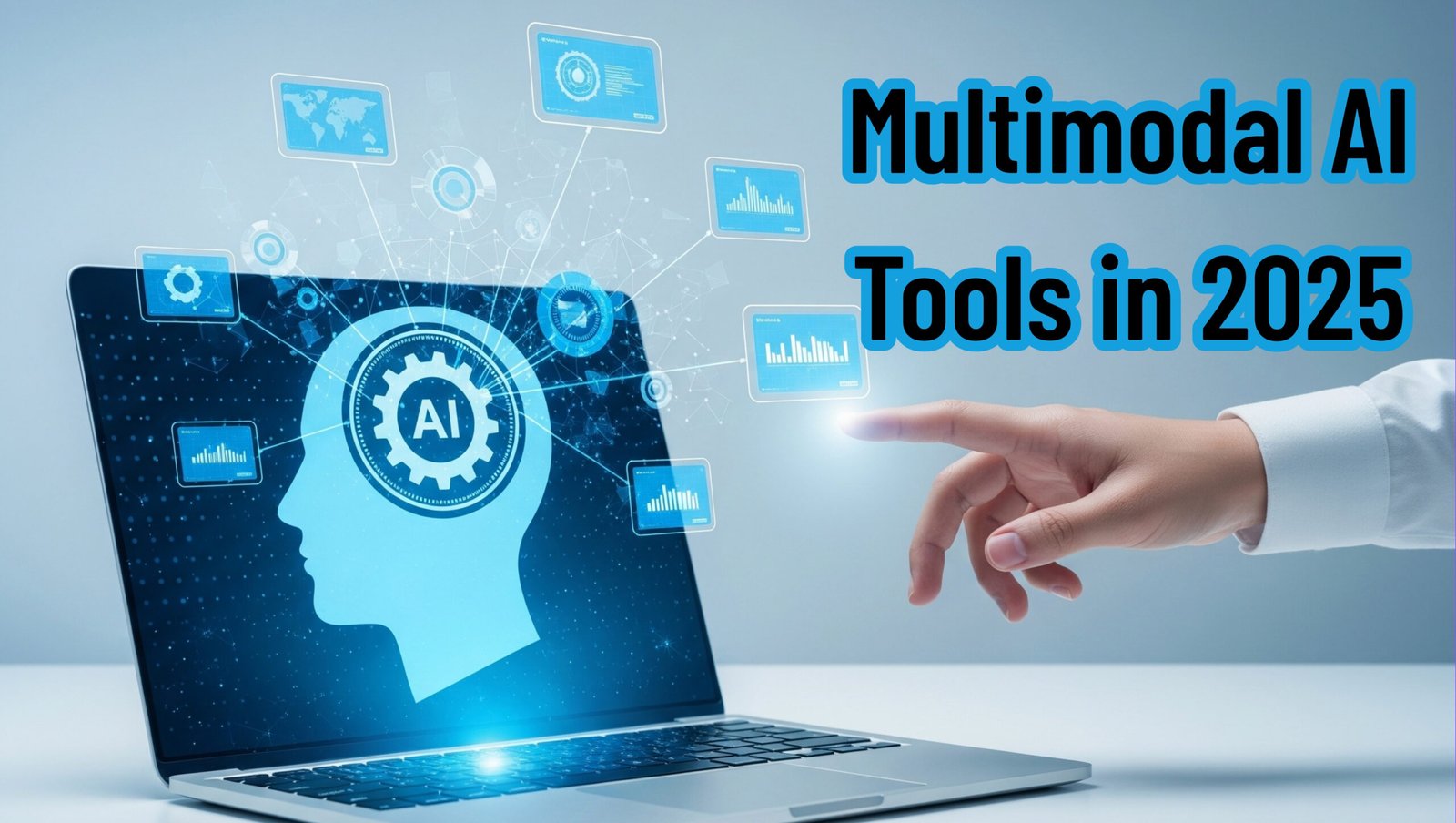
Artificial Intelligence has evolved beyond simple text-based applications. In 2025, Multimodal AI Tools are at the forefront of this evolution, enabling creators, digital professionals, and businesses to combine text, images, and voice seamlessly. These tools are designed to work across multiple modalities, allowing users to produce more engaging content, improve productivity, and explore creative possibilities that were previously impossible.
In this article, we will explore:
- What multimodal AI tools are and how they work
- Benefits for digital creators and professionals
- Real-world applications across industries
- Practical tips to incorporate these tools into your workflow
- Ethical considerations and future trends
What Are Multimodal AI Tools?
Multimodal AI Tools are artificial intelligence systems capable of processing and generating information across multiple forms of data—text, images, and audio—simultaneously. Unlike traditional AI tools that specialize in a single modality, multimodal systems can integrate different types of input and output to perform complex tasks.
For instance, instead of generating only a text summary of an article, a multimodal AI tool can produce a visual infographic, narrate the content using a natural voice, and provide a concise written summary—all from a single input. This makes these tools especially powerful for creators, educators, and businesses seeking to engage audiences on multiple levels.
How They Work
Multimodal AI systems rely on advanced neural networks that are trained on diverse datasets, enabling them to understand the relationships between text, images, and audio. These models can:
- Interpret visual content and provide descriptive text
- Generate images or video from textual descriptions
- Convert text into natural-sounding speech
- Integrate multiple outputs to create cohesive multimedia content
For a deeper look into the technology, you can explore OpenAI Multimodal Research.
Why Multimodal AI Tools Matter in 2025
The rise of multimodal AI tools represents a major shift in how content is created and consumed. Here’s why they are becoming essential for digital professionals:
1. Boosting Productivity
These tools automate complex tasks that previously required multiple software applications. For example, a single AI tool can simultaneously generate a blog draft, design accompanying visuals, and create an audio version for podcasts or social media. This reduces the time spent switching between programs and improves workflow efficiency.
2. Enhancing Creativity
By integrating multiple modalities, these tools allow creators to experiment freely with new formats. You can turn a text-based idea into a visual storyboard or an interactive audio-visual presentation, enabling more immersive experiences for your audience.
3. Engaging Audiences More Effectively
Audiences increasingly prefer content that is dynamic and interactive. Using text, images, and audio together can improve retention, engagement, and shareability across platforms, from social media to e-learning platforms.
4. Competitive Advantage
Early adoption of multimodal AI tools can set digital professionals apart. Businesses and content creators who leverage these systems can produce high-quality, diverse content faster than competitors relying solely on traditional tools. For industry insights, visit AI Trends 2025.
Real-World Applications of Multimodal AI Tools
Content Creation for Blogs and Social Media
Multimodal AI tools can generate blog posts with integrated images and voice summaries. For example, after writing an article, the tool can automatically create social media snippets, infographics, and even short video clips to promote the content.
E-Learning and Education
In online courses, educators can use multimodal AI to produce interactive lessons. A single input can generate text explanations, visual aids, and audio narration, providing a richer learning experience for students.
Marketing Campaigns
Marketers can create fully automated campaigns with multimodal outputs. An AI can produce email content, generate visuals for ads, create voiceover scripts, and even schedule posts—all from a single campaign objective.
Customer Support and Chatbots
Some advanced multimodal systems combine text and voice responses with visual guides to provide more helpful and interactive customer support. This improves user satisfaction and reduces response times.
Internal Workflows for Professionals
Digital professionals can integrate multimodal AI into workflow automation. For example, creating reports that include textual analysis, graphs, charts, and audio summaries—all generated automatically—saves time and enhances clarity.
Internal link reference: you can also explore practical methods to monetize AI tools on your blog here.
How to Get Started with Multimodal AI Tools
- Identify Your Goals
Determine which part of your workflow would benefit most from multimodal AI—content creation, marketing, learning, or internal reporting. - Choose the Right Tool
Several AI platforms now support multimodal capabilities. Test a few options to find one that fits your needs and budget. - Start Small
Begin with a single project or workflow. Experiment with text-to-image generation, text-to-speech narration, or combined outputs. - Monitor and Optimize
Track the results, gather feedback, and adjust prompts or workflows. Over time, your AI-generated content will become more refined and effective. - Integrate Responsibly
Always review outputs for accuracy, copyright compliance, and brand voice consistency.
Ethical Considerations and Challenges
While multimodal AI tools are powerful, they also come with challenges:
- Bias and Fairness: AI models may reflect biases present in training data. Ensure your content is inclusive and accurate.
- Content Ownership: Verify licensing and usage rights for AI-generated visuals and audio.
- Data Privacy: Protect sensitive information when using AI tools that process user data.
Using these tools responsibly ensures long-term sustainability and audience trust.
Future Trends in Multimodal AI
- AI will become increasingly capable of real-time multimodal processing, enabling live events, presentations, and interactive experiences.
- Integration with AR/VR platforms will allow content creators to develop immersive environments automatically.
- Collaboration between multiple AI systems will enable seamless automation of complex projects across industries.
Early adopters who experiment with multimodal AI tools today will have a significant advantage as these technologies become mainstream in 2025 and beyond.
Conclusion
Multimodal AI Tools are transforming the way creators and professionals work, allowing for faster production, richer content, and more engaging experiences. By integrating text, images, and voice, these tools streamline workflows and unlock new creative possibilities.
To get started, identify areas in your workflow that can benefit from automation, experiment with tools, and monitor results. By embracing these technologies responsibly, you can stay ahead in the rapidly evolving digital landscape and maximize productivity.