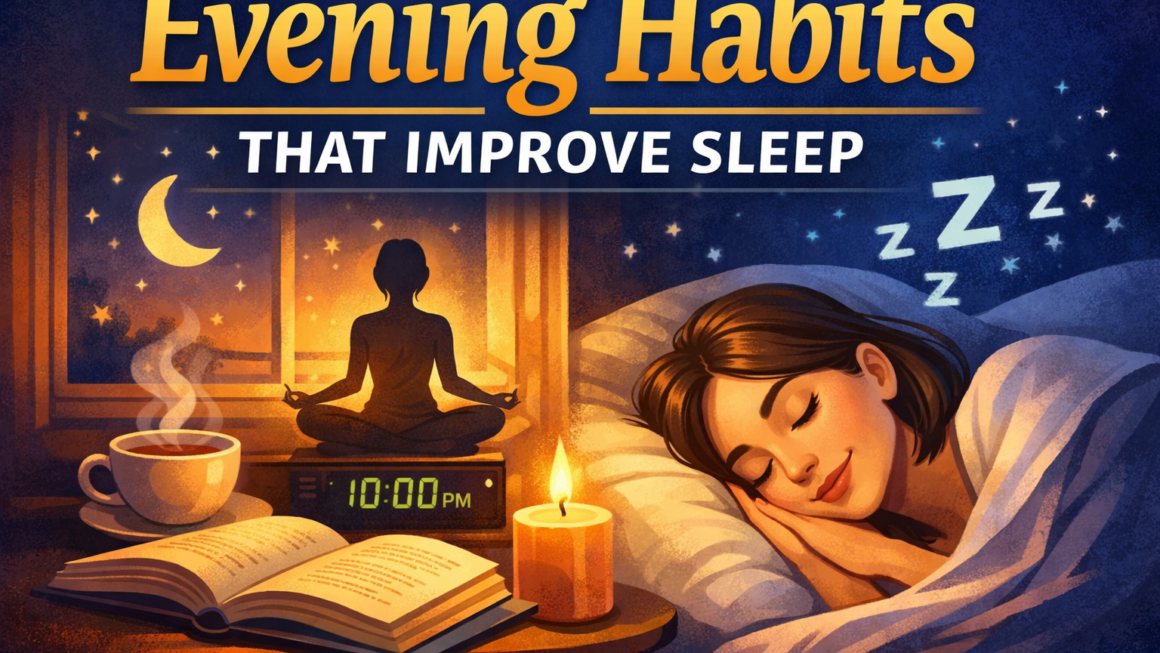





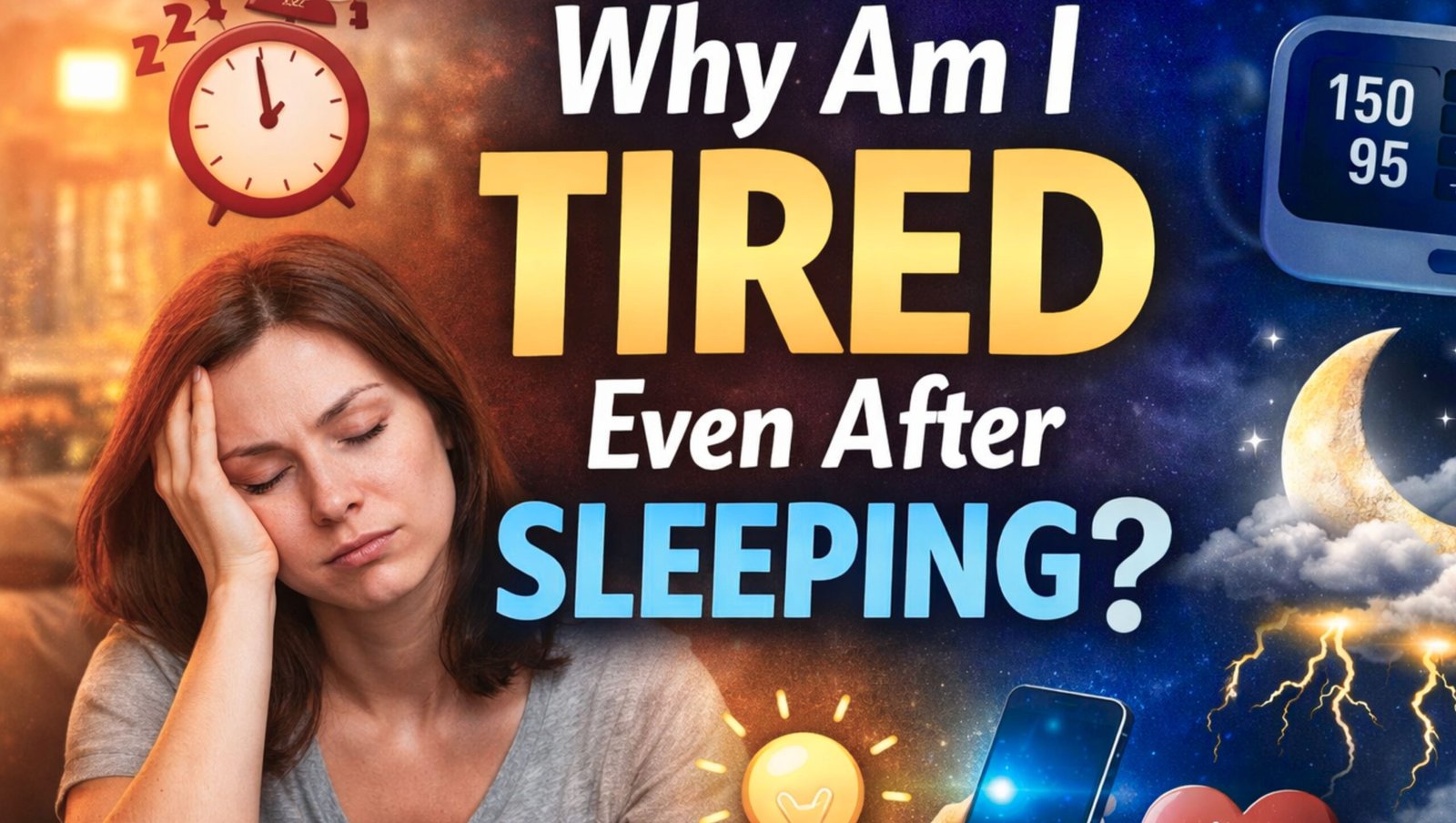
Sleeping for 7–9 hours should make you feel refreshed, yet many people wake up feeling drained, slow, and unmotivated. This confusing situation leaves people asking one common question: why do I feel tired even after sleeping?
This problem has become increasingly common in modern life. It is not always about sleep duration; it is often about sleep quality, lifestyle habits, mental load, and environmental factors. Understanding these hidden causes can help you regain your energy naturally and safely.
This pillar guide explains the real, modern reasons behind constant tiredness, in clear and simple language, without medical jargon.
Causes of Feeling Tired Even After Sleeping
Feeling tired even after sleeping is often more than just a lack of hours in bed. From my own experience, factors like high or fluctuating blood pressure (BP) can play a hidden role in constant fatigue. In addition, lack of physical movement and neck or shoulder stiffness from long hours at a desk can make mornings feel heavy and draining. Modern lifestyles—late-night screen use, stress, irregular routines, and environmental factors like low sunlight or high humidity—can all prevent the body from fully recharging. Understanding these causes, along with simple exercises and lifestyle adjustments, is the first step to regaining energy and waking up refreshed.
1. Simple Neck and Shoulder Exercises
Stiff neck and shoulders can reduce blood flow and make you feel sluggish, even after proper sleep. Gentle exercises like neck rotations, shoulder rolls, and stretching can relieve tension and improve energy levels. Incorporating these movements into your morning routine or during work breaks can make a noticeable difference in how you feel throughout the day.
2. Blood Pressure Awareness Tips
Fluctuating or high blood pressure can silently cause fatigue and become the reason of tired even after sleeping. Monitoring your BP regularly, maintaining a balanced diet, staying hydrated, and reducing stress are simple steps to help your body function better. If you notice persistent fatigue alongside abnormal BP readings, consulting a healthcare professional is recommended.
3. Other Practical Daily Routines
Small daily habits can have a big impact on how rested you feel:
- Maintain a consistent sleep schedule
- Get morning sunlight to regulate your circadian rhythm
- Reduce screen time before bed
- Stay active during the day, even with short walks
- Eat balanced meals and drink enough water
Understanding Tiredness vs. Lack of Sleep
Feeling tired does not always mean you are sleep-deprived. There is a big difference between:
- Sleep quantity (how long you sleep)
- Sleep quality (how well your body and brain recover)
Many people get enough hours of sleep but still feel exhausted because the body does not fully recharge during the night.
Understanding how weather conditions influence your daily energy can help you plan your routine better. Check out our rain and fog guide for tips.
1. Poor Sleep Quality (Even With Enough Hours)
You may sleep for 8 hours, but if your sleep is:
- Frequently interrupted
- Too light
- Out of sync with your natural sleep cycle
Your body does not reach the deeper stages of rest needed for recovery. Stress, noise, uncomfortable temperatures, and irregular sleep schedules all reduce sleep quality.
2. Excessive Screen Time Before Bed
Modern life revolves around screens. Using phones, laptops, or TVs before sleep exposes your eyes to blue light, which interferes with melatonin — the hormone responsible for sleep.
This can:
- Delay falling asleep
- Reduce deep sleep stages
- Cause morning grogginess
Even if you fall asleep quickly, your brain may not fully shut down.
3. Mental Fatigue and Overthinking
Mental exhaustion is one of the biggest hidden reasons people feel tired after sleeping.
Constant thinking about work, finances, relationships, or future plans keeps the brain active, even during rest.
Your body may be lying still, but your mind is still working — preventing real recovery.
4. Irregular Daily Routine
Sleeping and waking up at different times every day confuses your internal body clock.
When your routine is inconsistent:
- Hormones are released at the wrong times
- Energy levels fluctuate
- Mornings feel heavy and slow
A stable routine is more important than people realize.
5. Weather and Environmental Factors
Weather conditions such as rainy days, fog, low sunlight, and high humidity can affect alertness and mood.
Low sunlight exposure can reduce vitamin D production and disturb circadian rhythms, making you feel sleepy and unmotivated even after rest.
Seasonal and environmental effects are often overlooked but play a real role in daily energy levels.
6. Lack of Physical Movement
A sedentary lifestyle reduces blood circulation and oxygen flow, leading to constant fatigue.
Ironically, not moving enough can make you feel more tired, even if you sleep well. Gentle daily activity helps regulate sleep patterns and improves overall energy.
7. Dehydration and Poor Nutrition
Not drinking enough water or skipping balanced meals can cause:
- Low energy
- Brain fog
- Weakness
Heavy meals late at night or excessive caffeine during the day can also disrupt sleep quality without you realizing it.
8. Emotional Stress and Burnout
Long-term stress slowly drains your energy. Even when you sleep, your nervous system remains on high alert.
This leads to:
- Shallow sleep
- Morning fatigue
- Feeling tired all day
Burnout is now one of the most common reasons people search for fatigue-related answers online.
Simple Ways to Feel More Rested Naturally
You don’t need drastic changes. Small improvements can make a big difference:
- Sleep and wake up at the same time daily
- Reduce screen use at least one hour before bed
- Get natural daylight exposure in the morning
- Drink enough water throughout the day
- Add light physical activity like walking
- Create a calm bedtime routine
Consistency matters more than perfection.
When Should You Be Concerned?
Occasional tiredness is normal. However, if fatigue:
- Lasts for weeks
- Interferes with daily life
- Gets worse over time
It’s important to seek professional medical advice. This article focuses on lifestyle awareness, not diagnosis.
Conclusion
Feeling tired even after sleeping has become a common problem in modern life, caused by late-night screen use, stress, irregular routines, and environmental factors. The solution isn’t always more sleep; it’s about building better daily habits, reducing mental fatigue, and improving your environment.
By understanding these causes, you can take control of your energy and stop feeling tired even after sleeping. For expert guidance on sleep and daily energy, check out Sleep Foundation’s tips on improving sleep quality.
If you’re waking up tired, these routines can prevent feeling tired even after sleeping.
-
Why do I feel tired even after sleeping?
Even with enough sleep, stress, screen use, poor posture, and lifestyle habits can leave you tired even after sleeping.
-
Can exercises help with morning fatigue?
Yes! Simple neck and shoulder exercises improve blood flow and energy levels.
-
How can I prevent feeling tired every morning?
Maintain a consistent sleep schedule, reduce screen time, stay hydrated, and get morning sunlight.
-
Can stress make me feel constantly exhausted?
Yes, chronic stress triggers hormonal changes, particularly elevated cortisol, which interferes with deep sleep and leaves you feeling drained even after sleeping.
-
How does technology impact my sleep?
Exposure to blue light from smartphones, computers, and TVs before bedtime can suppress melatonin production, making it harder to fall asleep and reducing sleep quality.
-
Should I see a doctor if I’m always tired?
If fatigue persists despite improving sleep, diet, exercise, and stress management, it’s important to consult a healthcare professional to rule out medical conditions like anemia, thyroid problems, diabetes, or sleep disorders.
-
How can I improve my energy and reduce tiredness?
Adopt a consistent sleep routine, limit caffeine and screen time before bed, eat nutrient-rich meals, exercise regularly, manage stress, and stay hydrated. Small lifestyle adjustments can make a big difference in energy levels.