







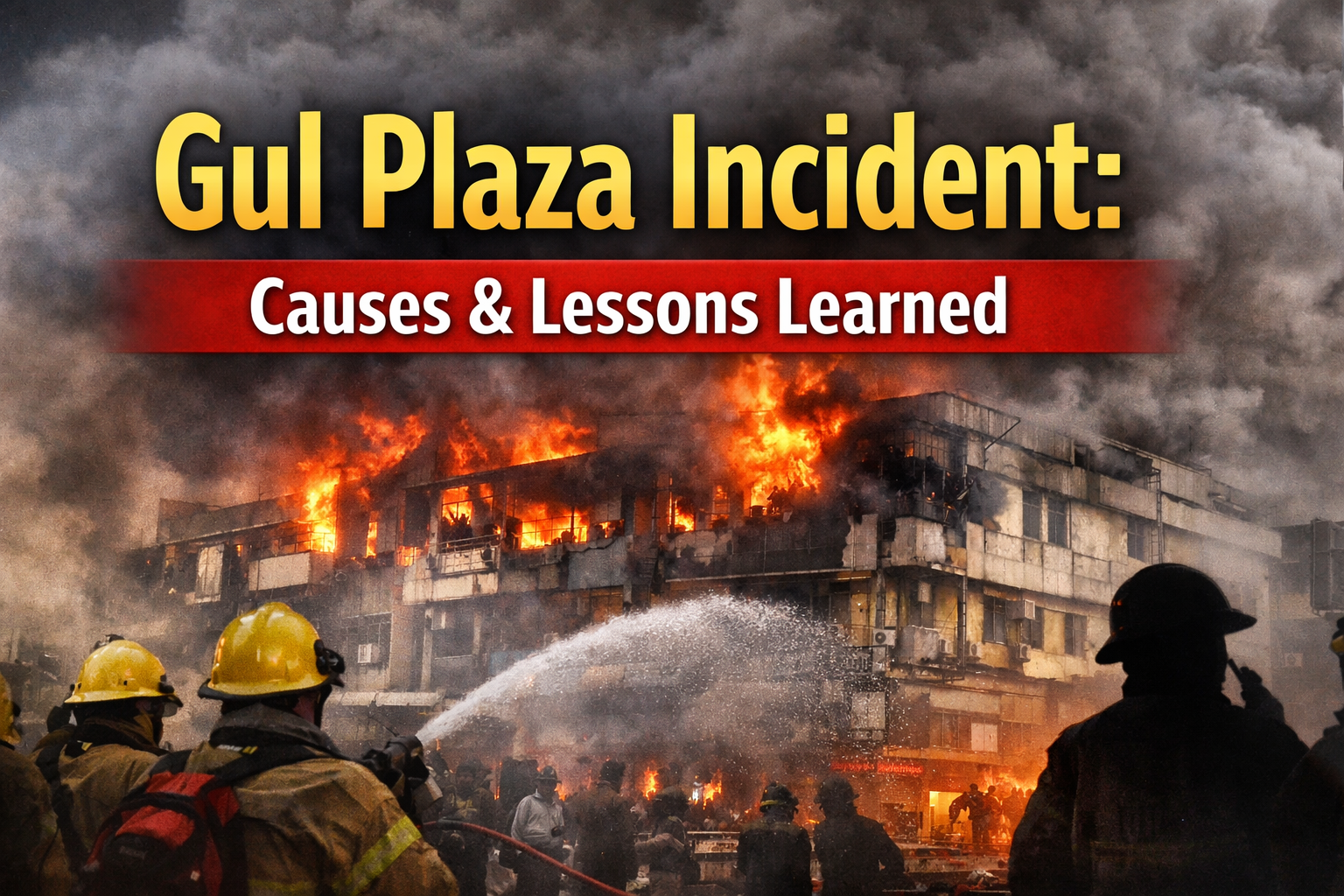
The Gul Plaza incident shook the city and left a lasting impact on its community. As one of the major commercial hubs, Gul Plaza was known for its bustling businesses, shops, and eateries. However, an unexpected and tragic event brought attention to the vulnerabilities of even well-known commercial structures. Understanding what happened, why it happened, and how we can prevent such incidents in the future is crucial for the safety of everyone.
This article provides a detailed account of the Gul Plaza incident, explores the causes, examines the impact on the community, and discusses lessons learned.
Background of Gul Plaza
Gul Plaza is a prominent commercial complex located in a busy area of the city. For years, it has served as a hub for businesses, including retail stores, offices, restaurants, and small enterprises. Its central location made it a preferred destination for both shoppers and entrepreneurs.
Despite its popularity, Gul Plaza, like many other commercial buildings, faced challenges related to maintenance and safety standards. Buildings in high-traffic areas often undergo wear and tear faster due to constant usage, crowded spaces, and sometimes outdated infrastructure. Prior to the incident, there had been sporadic concerns raised about the building’s structural integrity, but none that prompted serious action.
Understanding the background is important because it sets the stage for why the incident occurred and highlights the significance of regular safety checks for commercial complexes.
The Incident Timeline
The Gul Plaza incident occurred on a busy weekday afternoon, catching everyone by surprise. According to eyewitnesses, the events unfolded rapidly, leaving little time for preparation.
- Initial Occurrence: Around midday, unusual signs were reported by shopkeepers and visitors—cracks in walls, unusual sounds, and vibrations that indicated structural stress.
- Immediate Response: Within minutes, parts of the building experienced structural failure. The collapse of certain sections triggered panic among visitors, employees, and shop owners.
- Emergency Services: Firefighters, paramedics, and police responded promptly. Their quick action prevented a larger scale tragedy, but unfortunately, several individuals sustained injuries, and some were trapped under debris.
- Rescue Efforts: Emergency teams worked tirelessly, using specialized equipment to reach those trapped. Local residents also assisted in evacuation efforts, demonstrating community solidarity during crises.
- Aftermath of the Event: By the evening, the main affected areas were cleared, and medical attention was provided to all injured individuals. Authorities cordoned off the site to prevent further accidents.
This timeline highlights how quickly structural failures can escalate and the importance of preparedness in high-density buildings.
Causes of the Incident
Investigations into the Gul Plaza incident revealed multiple factors that contributed to the collapse:
- Structural Weaknesses: Engineers reported that the building’s framework had weakened over time. Continuous usage without proper maintenance accelerated wear and tear.
- Overcrowding and Load Issues: Commercial buildings like Gul Plaza often face excessive load due to unplanned renovations, additional floors, or heavy equipment. This puts stress on foundations and structural supports.
- Maintenance Neglect: Regular inspections were either skipped or conducted superficially. Essential repairs, such as reinforcement of beams and pillars, were delayed or ignored.
- Regulatory Oversight: Authorities later acknowledged lapses in monitoring and enforcing building safety codes, highlighting a systemic issue beyond a single incident.
The combination of these factors created a situation where even minor disturbances could trigger major structural failures, emphasizing the importance of proactive safety measures.
Impact on the Community
The incident had far-reaching consequences, affecting not just the building occupants but the larger community:
- Human Impact: Several individuals were injured, some critically. Families and business owners faced emotional trauma, highlighting the human cost of structural negligence.
- Economic Losses: Businesses inside the plaza faced immediate losses due to property damage and interruption of operations. Many shopkeepers also suffered inventory loss.
- Social Awareness: The incident sparked conversations across social media and news outlets. Citizens demanded better enforcement of building codes and improved emergency preparedness.
The emotional and economic repercussions underline the need for a culture of safety, not just compliance, in commercial infrastructure.
Official Responses
Following the incident, authorities took several actions to manage the situation and prevent recurrence:
- Immediate Inspections: Structural engineers were assigned to evaluate the remaining areas of Gul Plaza and other similar buildings in the city.
- Regulatory Measures: Municipal authorities issued stricter guidelines for commercial building maintenance and load limits.
- Support for Victims: Medical aid, financial support for affected families, and temporary relocation for displaced businesses were arranged.
- Public Awareness Campaigns: Local government initiated awareness campaigns about building safety and emergency procedures.
These responses aim to restore public confidence and ensure that lessons from the incident lead to meaningful change.
Lessons Learned and Safety Measures
The Gul Plaza incident offers several key lessons for the community, business owners, and authorities:
- Regular Inspections Are Vital: Buildings, especially older commercial complexes, must undergo comprehensive structural assessments regularly.
- Adhering to Load Limits: Overcrowding and excessive modifications increase the risk of collapse. Strict enforcement of load limits is essential.
- Maintenance Cannot Be Deferred: Delaying repairs, even minor ones, can create conditions for major incidents. Preventive maintenance is far cheaper and safer than post-incident recovery.
- Emergency Preparedness: Businesses and visitors should be aware of evacuation procedures. Fire drills, signage, and first-aid knowledge can save lives.
- Community Involvement: The incident showed that community participation during emergencies is crucial. Awareness and readiness at an individual level help mitigate impact.
By internalizing these lessons, cities and communities can work toward safer infrastructure and prevent similar tragedies in the future.
Conclusion
The Gul Plaza incident serves as a stark reminder of the importance of safety, preparedness, and accountability. While it was a tragic event, it also highlights the potential for positive change. By understanding the causes, responding promptly, and implementing preventive measures, communities can reduce the risk of similar incidents in the future. For more updates visit here Kainattrendscapes.com
Every building, every business owner, and every visitor shares responsibility in creating safer spaces. The lessons from Gul Plaza should inspire action, ensuring that safety is never compromised for convenience or cost.
Q1: What caused the Gul Plaza incident?
Investigations revealed a combination of structural weakness, overcrowding, lack of maintenance, and regulatory oversights.
Q2: Were there casualties?
Several individuals were injured, and some required immediate medical attention. Fortunately, prompt emergency response minimized fatalities.
Q3: How can similar incidents be prevented?
Regular building inspections, adherence to safety codes, proper maintenance, and emergency preparedness are essential.
Q4: What actions have authorities taken since the incident?
Authorities have enforced stricter building inspections, initiated public awareness campaigns, and provided support to affected individuals and businesses.
Q5: Can older buildings like Gul Plaza be made safe?
Yes, with proper engineering assessments, repairs, and adherence to safety regulations, older buildings can be reinforced and made safe for public use.
Q: What actions did authorities take after the Gul Plaza incident?
Officials launched investigations, inspected the building, and issued stricter safety guidelines for commercial complexes. Read more