







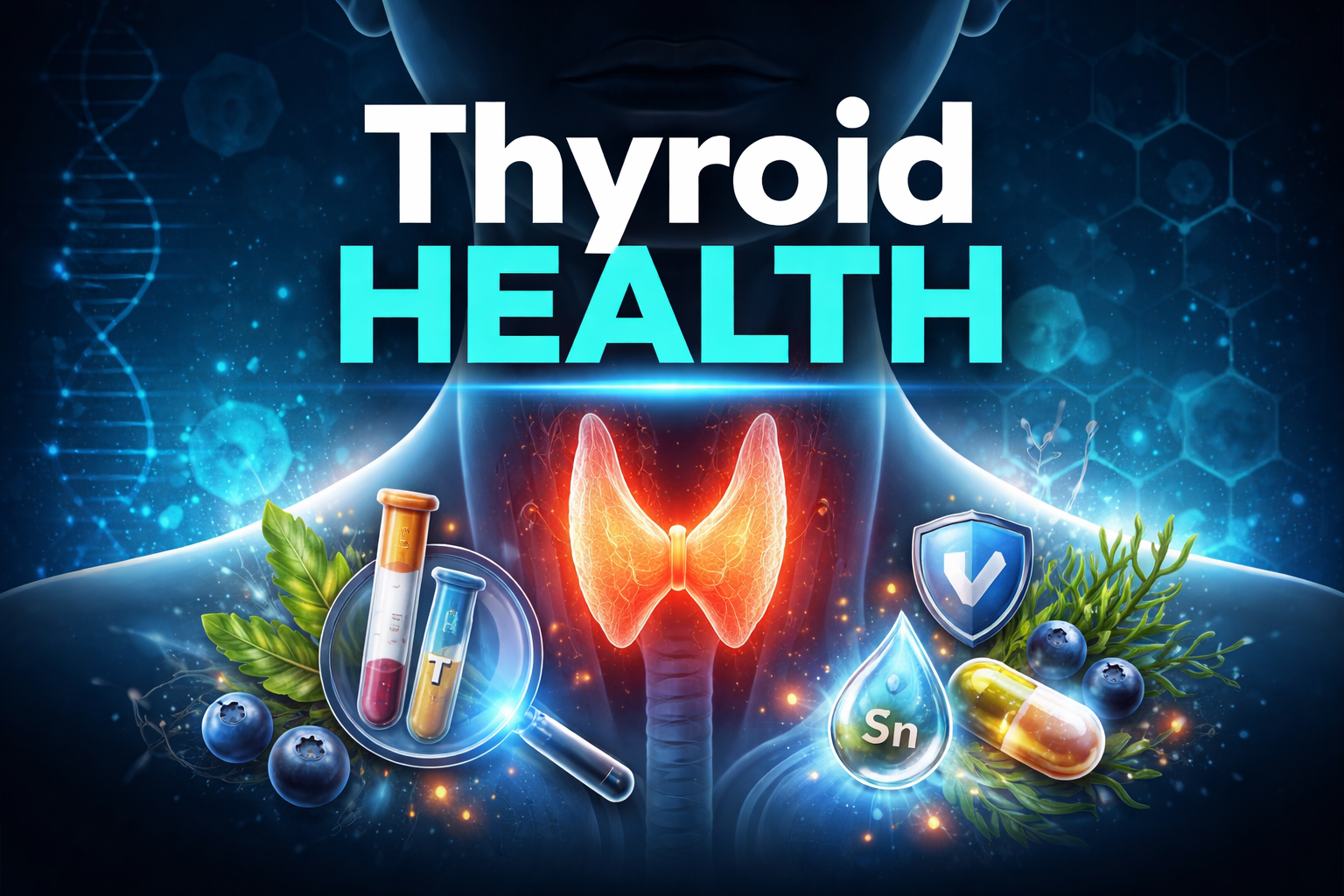
The thyroid is a small, butterfly-shaped gland located in the front of your neck, but it plays an enormous role in maintaining overall health. Despite its size, it regulates vital functions such as metabolism, heart rate, energy levels, and mood. When the thyroid isn’t functioning properly, it can lead to a variety of health problems that affect day-to-day life, from unexpected weight changes to fatigue and hair loss.
Most people overlook the importance of thyroid health until symptoms become disruptive. Recognizing issues early and taking proactive steps can help prevent long-term complications.
It may be small, but its impact on your body is enormous. Understanding how to support it through proper nutrition and lifestyle is crucial. For more detailed tips on diet and wellness, check out our Nutrition and Wellness Guide.”
What Does the Thyroid Do?
The thyroid produces two main hormones: thyroxine (T4) and triiodothyronine (T3). These hormones regulate how your body uses energy. Essentially, your thyroid is like a control center that tells every cell how fast or slow to work.
- Proper thyroid function helps maintain energy, weight balance, and mental clarity.
- Imbalance can lead to serious conditions like hypothyroidism (underactive thyroid) or hyperthyroidism (overactive thyroid).
Common Thyroid Disorders
1. Hypothyroidism (Underactive Thyroid)
When your thyroid doesn’t produce enough hormones, your metabolism slows down. Symptoms may include:
- Persistent fatigue
- Unexplained weight gain
- Dry skin and brittle hair
- Feeling cold even in normal temperatures
- Depression, anxiety, or mood swings
Hypothyroidism is often caused by autoimmune disorders like Hashimoto’s thyroiditis, iodine deficiency, or even certain medications. Left untreated, it can lead to more serious health issues, including heart disease and fertility problems.
2. Hyperthyroidism (Overactive Thyroid)
Hyperthyroidism occurs when the thyroid produces too many hormones, accelerating metabolism. Symptoms include:
- Rapid or irregular heartbeat
- Unintended weight loss
- Anxiety or irritability
- Tremors or shaking hands
- Difficulty sleeping
Graves’ disease is a common autoimmune cause of hyperthyroidism. Although less common than hypothyroidism, it requires prompt diagnosis and treatment.
3. Goiter
A goiter is an enlarged thyroid. It may occur due to iodine deficiency, autoimmune diseases, or nodules. Goiters are often painless but may cause a visible swelling in the neck and difficulty swallowing in severe cases.
4. Thyroid Nodules
Nodules are lumps or growths on the thyroid. While most are benign, a small percentage may be cancerous. Regular monitoring and medical evaluation are essential to rule out thyroid cancer.
Causes and Risk Factors of Thyroid Disorders
Several factors can influence thyroid health:
- Iodine Deficiency: Iodine is essential for hormone production. A lack can cause hypothyroidism and goiter.
- Autoimmune Disorders: Conditions such as Hashimoto’s thyroiditis and Graves’ disease can damage the thyroid.
- Hormonal Changes: Pregnancy, menopause, or hormonal imbalances may trigger thyroid issues.
- Genetics: A family history increases susceptibility.
- Stress and Diet: Chronic stress, poor nutrition, and processed food can affect thyroid function.
- Certain Medications: Some medications, like lithium or amiodarone, can interfere with thyroid function.
For more in-depth medical guidance, see the Mayo Clinic thyroid disease overview, which explains symptoms, causes, and treatment options in detail.
Symptoms to Watch For
Because the thyroid influences multiple body systems, symptoms can vary widely. Common signs of thyroid imbalance include:
- Changes in weight without altering diet or exercise
- Feeling unusually tired or lethargic
- Mood swings, anxiety, or depression
- Swelling at the base of the neck
- Dry or thinning hair
- Slow heart rate or palpitations
- Sensitivity to heat or cold
If you notice these symptoms, it is important to consult a doctor and consider a thyroid function test.
Diagnosing Thyroid Problems
these disorders are often diagnosed through:
- Blood Tests: Measures TSH, T3, and T4 hormone levels.
- Ultrasound: Checks for nodules or enlargement.
- Biopsy: Determines if thyroid nodules are cancerous.
Regular monitoring can prevent complications. For detailed guidance on maintaining healthy body functions through diet and lifestyle, check out our nutrition and wellness guide.
Natural Ways to Support Thyroid Health
While medications are essential for many thyroid conditions, lifestyle and dietary changes can support its function:
1. Iodine-Rich Foods
Seaweed, dairy, eggs, and fish provide the iodine your thyroid needs.
2. Selenium and Zinc
Brazil nuts, sunflower seeds, and seafood improve hormone metabolism.
3. Limit Goitrogens in Excess
Cruciferous vegetables like cabbage, broccoli, and kale can interfere with thyroid hormone production if eaten raw in large amounts. Cooking these foods reduces their impact.
4. Manage Stress
Yoga, meditation, and breathing exercises help regulate the stress hormones that can disrupt thyroid balance.
5. Exercise Regularly
Moderate physical activity improves metabolism, circulation, and hormone balance.
6. Stay Hydrated and Sleep Well
Adequate water intake and quality sleep are essential for optimal hormone regulation.
Thyroid and Lifestyle Choices
Certain habits can either support or harm thyr0id health:
- Avoid smoking and excessive alcohol consumption.
- Maintain a balanced diet rich in protein, fiber, and essential vitamins.
- Regular check-ups, especially if you have family history of thyr0id disease.
- Monitor medications that may impact thyroid function.
Learn more about lifestyle choices for better health in our comprehensive wellness section.
Thyroid Cancer: What You Should Know
Though rare, thyr0id cancer is an important consideration. Most thyroid cancers are highly treatable, especially when diagnosed early. Warning signs may include a persistent lump in the neck, difficulty swallowing, or voice changes. Medical imaging, blood tests, and biopsies are crucial for accurate diagnosis.
FAQs About Thyroid Health
Q1: Can thyroid problems cause weight changes?
Yes, hypothyroidism often leads to weight gain, while hyperthyroidism may cause weight loss.
Q2: Is thyroid disease hereditary?
Genetics play a role, but lifestyle factors also influence thyroid health.
Q3: Can natural remedies replace thyroid medication?
Natural remedies support thyroid function but do not replace prescribed medication. Always consult your doctor.
Q4: How often should I check my thyroid?
Annual testing is recommended, especially if you have symptoms or family history.
Q5: Can stress affect thyroid function?
Yes, chronic stress impacts hormone balance and can worsen thyroid disorders.
Conclusion
The thyr0id may be small, but its influence on your health is massive. Awareness, early detection, proper nutrition, stress management, and regular monitoring are key to keeping your thyr0id healthy. Natural support, combined with medical care, ensures optimal hormone balance, energy, and overall well-being.
By integrating healthy lifestyle choices and staying informed, you can manage thyroid health proactively and prevent complications.