






Social media has always evolved quickly, but in 2026 the transformation feels bigger than ever. One of the most fascinating and controversial developments is the rise of the Digital Doppelgänger. Simply put, a Digital Doppelgänger is an AI-generated version of a real person that can create content, speak, and sometimes even interact online just like the original individual.
From influencers using AI clones to post content around the clock to businesses experimenting with digital versions of their brand ambassadors, the concept of the Digital Doppelgänger is rapidly reshaping how social media works. While Digital Doppelgängers offer exciting opportunities, it’s important to understand related technologies like deepfake videos explained, which also raise concerns about manipulation and trust online. You can learn more about the dangers of AI voice technology in our guide on AI Voice Cloning risks and protection.
In this article, we will explore what a Digital Doppelgänger is, how AI clones work, why they are becoming popular in 2026, and what this trend could mean for the future of social media.
What Is a Digital Doppelgänger?
The term doppelgänger originally comes from German and means “double walker,” referring to a look-alike of a person. In the digital age, the concept has taken on a completely new meaning.
A Digital Doppelgänger is an artificial intelligence–generated version of a real person. This AI clone can imitate a person’s appearance, voice, expressions, and sometimes even their personality. With advanced machine learning and generative AI tools, these digital replicas can produce videos, photos, and messages that closely resemble the real individual.
In many cases, the person being cloned willingly provides their data—such as voice recordings, facial images, and video footage—to train the AI system. Once trained, the AI can create new content that appears as if the person themselves recorded it.
This technology is becoming more accessible as AI tools continue to improve, making the concept of a Digital Doppelgänger increasingly common across social media platforms.
Why Digital Doppelgängers Are Trending in 2026
The rise of the Digital Doppelgänger is not happening by accident. Several technological and social factors have pushed this trend into the spotlight.
Rapid Progress in AI Technology
Artificial intelligence tools for generating images, videos, and voices have improved dramatically over the last few years. AI can now produce highly realistic content that is difficult to distinguish from real footage.
These tools allow creators to build a Digital Doppelgänger that can move, speak, and react naturally.
Content Demand Is Higher Than Ever
Social media platforms reward creators who post frequently and consistently. Influencers often feel pressure to upload content daily across multiple platforms.
With a Digital Doppelgänger, creators can produce more content without constantly filming themselves. The AI version can help generate videos, messages, or responses while the real person focuses on other work.
Businesses See Marketing Potential
Brands are also experimenting with Digital Doppelgängers. Instead of relying on a single recording session with a celebrity or influencer, companies can create an AI clone that continues producing promotional content long after the original shoot.
This approach reduces costs and allows brands to personalize content for different audiences.
How AI Clones Actually Work
Creating a Digital Doppelgänger may sound futuristic, but the process is becoming surprisingly practical.
Step 1: Data Collection
The first step is gathering enough data about the person. This can include:
- Photos of different facial expressions
- Voice recordings
- Videos of the person speaking or moving
- Writing samples or communication style
The more data the AI receives, the more accurate the Digital Doppelgänger becomes.
Step 2: AI Model Training
Machine learning models analyze the collected data to understand patterns. They learn how the person looks when speaking, how their voice changes with emotion, and how their facial expressions move.
After training, the AI can generate new images, videos, or voice recordings that imitate the person.
Step 3: Content Generation
Once the Digital Doppelgänger is created, it can produce content automatically. For example, it might:
- Record short videos for social media
- Respond to messages or comments
- Deliver scripted promotional messages
- Generate voiceovers
In some cases, the AI clone can even livestream with minimal human involvement.
Real Uses of Digital Doppelgängers on Social Media
The Digital Doppelgänger is already appearing in multiple areas of online content.
Influencers Expanding Their Presence
Many influencers are experimenting with AI clones to maintain a constant online presence. Their Digital Doppelgänger can create short videos, answer fan questions, or share updates even when the influencer is offline.
This allows creators to stay active on platforms like TikTok, Instagram, and YouTube without burning out.
Virtual Content Creators
Some Digital Doppelgängers operate almost like independent personalities. These AI-generated versions may post content regularly, interact with followers, and appear in collaborations with other creators.
Followers often find these AI versions fascinating because they blend human identity with digital creativity.
Brand Ambassadors That Never Sleep
Companies are also exploring Digital Doppelgängers for marketing campaigns. Instead of hiring an actor repeatedly, a brand might create an AI version that appears in ads, tutorials, or product reviews.
These digital brand ambassadors can produce content in multiple languages and adapt messages for different audiences.
The Benefits of Using a Digital Doppelgänger
The idea of an AI clone might sound unusual, but it offers several advantages.
Increased Productivity
Content creators often struggle to keep up with the demands of social media. A Digital Doppelgänger can help them produce more content without sacrificing their personal time.
Global Reach
AI clones can generate content in different languages, allowing influencers and brands to reach global audiences.
Creative Possibilities
With AI tools, creators can experiment with new styles, storytelling formats, and visual effects. The Digital Doppelgänger opens the door to creative content that would otherwise be difficult or expensive to produce.
Ethical Concerns and Risks
Despite the excitement around Digital Doppelgängers, the technology also raises serious concerns.
Identity Misuse
One major worry is that someone could create a Digital Doppelgänger without permission. This could lead to impersonation, scams, or misleading content.
Deepfake Confusion
Digital clones can sometimes blur the line between real and fake media. When viewers cannot easily tell the difference, misinformation can spread quickly.
Trust Issues
Social media already struggles with trust. If followers begin to suspect that influencers are using AI clones for most of their content, it could change how audiences perceive authenticity online.
The Role of Transparency
Because of these concerns, many experts believe transparency will become essential.
Creators who use a Digital Doppelgänger may need to clearly inform their audience when content is AI-generated. Some platforms are already experimenting with labels that indicate when AI technology has been used.
Being honest about the use of AI can help maintain trust between creators and their audiences.
The Future of Social Media and AI Clones
The Digital Doppelgänger is still a relatively new concept, but its influence is expected to grow rapidly.
AI-Powered Personal Brands
In the future, influencers may operate entire digital teams powered by AI. Their Digital Doppelgänger might handle content production, community interaction, and even marketing campaigns.
Virtual Events and Appearances
AI clones could also appear in online events, interviews, or virtual meet-and-greets. Fans might interact with a Digital Doppelgänger that behaves almost exactly like the real person.
Personalized Content
AI systems may eventually create personalized videos or messages from a Digital Doppelgänger for individual followers. Imagine receiving a custom greeting from your favorite creator that feels completely real.

The Human Element Still Matters
Even as AI technology advances, the human element remains important. People connect with creators because of their personality, emotions, and authenticity.
A Digital Doppelgänger might help manage content production, but it cannot fully replace the creativity and experiences of a real human being. The most successful creators will likely be those who combine AI tools with genuine personal storytelling.
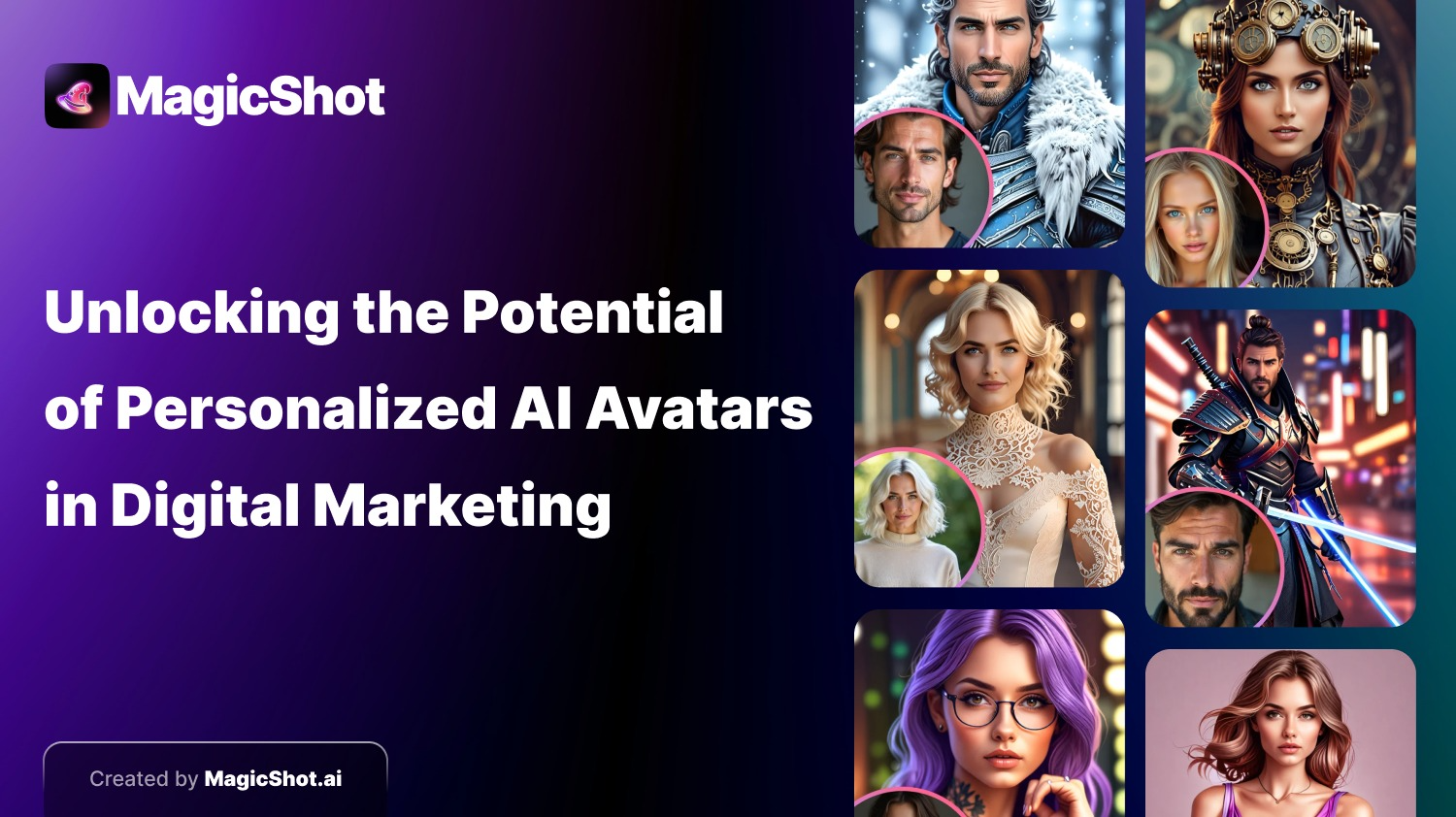
Digital Doppelgänger in Action
Example of an AI-Generated Social Media Clone
How Users Can Protect Themselves
As Digital Doppelgängers become more common, users should also learn how to stay safe online.
Some helpful steps include:
- Verify accounts before trusting videos or messages
- Be cautious of unusual requests from influencers or celebrities
- Pay attention to signs of AI-generated content
- Follow official sources when confirming important information
Awareness is the best defense against misuse of AI cloning technology.
Conclusion
The Digital Doppelgänger is one of the most fascinating developments in social media today. By combining artificial intelligence with human identity, AI clones are changing how content is created, shared, and experienced online.
For influencers and brands, the technology offers powerful new opportunities to reach audiences and expand their creative possibilities. At the same time, it raises important questions about authenticity, trust, and digital ethics.
As we move further into 2026 and beyond, the Digital Doppelgänger will likely become a normal part of the online world. The challenge for creators, platforms, and users will be learning how to use this technology responsibly while preserving the human connection that makes social media meaningful.
Experts continue to study the future impact of artificial intelligence and how it will shape digital communication.
Q1: What is a Digital Doppelgänger in AI?
A Digital Doppelgänger is an AI-generated clone of a real person that can mimic their voice, appearance, and communication style. It is created using artificial intelligence tools that analyze images, videos, and voice recordings.
Q1: What is an AI-generated social media clone?
An AI-generated social media clone is a digital version of a real person that can replicate their voice, facial expressions, and communication style online.
Q2: How are these AI clones used on social media?
Influencers and brands use AI clones to create videos, interact with followers, and maintain an active presence without constantly recording new content.
Q3: Are AI social media clones safe to use?
When used ethically and with consent, AI clones can help produce content efficiently. Misuse, however, can lead to privacy concerns and misinformation.