





Over the past decade, online gambling and gaming have grown from niche hobbies into a massive global industry. With smartphones, fast internet, and digital platforms becoming part of everyday life, millions of people now play online games or try their luck on gambling websites from the comfort of their homes. What once required visiting a physical casino or arcade can now happen with just a few taps on a screen.
This rapid growth has sparked a lot of debate. Some people see online gambling and gaming as harmless entertainment that sharpens the mind and brings people together. Others worry about the risks—especially addiction, financial loss, and the psychological effects of spending too much time in digital environments.
The truth lies somewhere in between. Like many forms of entertainment, online gambling and gaming can offer benefits when approached responsibly, but they also come with serious risks if they become excessive or uncontrolled. Online gambling and gaming are part of today’s modern digital lifestyle trends, where entertainment, technology, and online communities are shaping how people relax and interact.
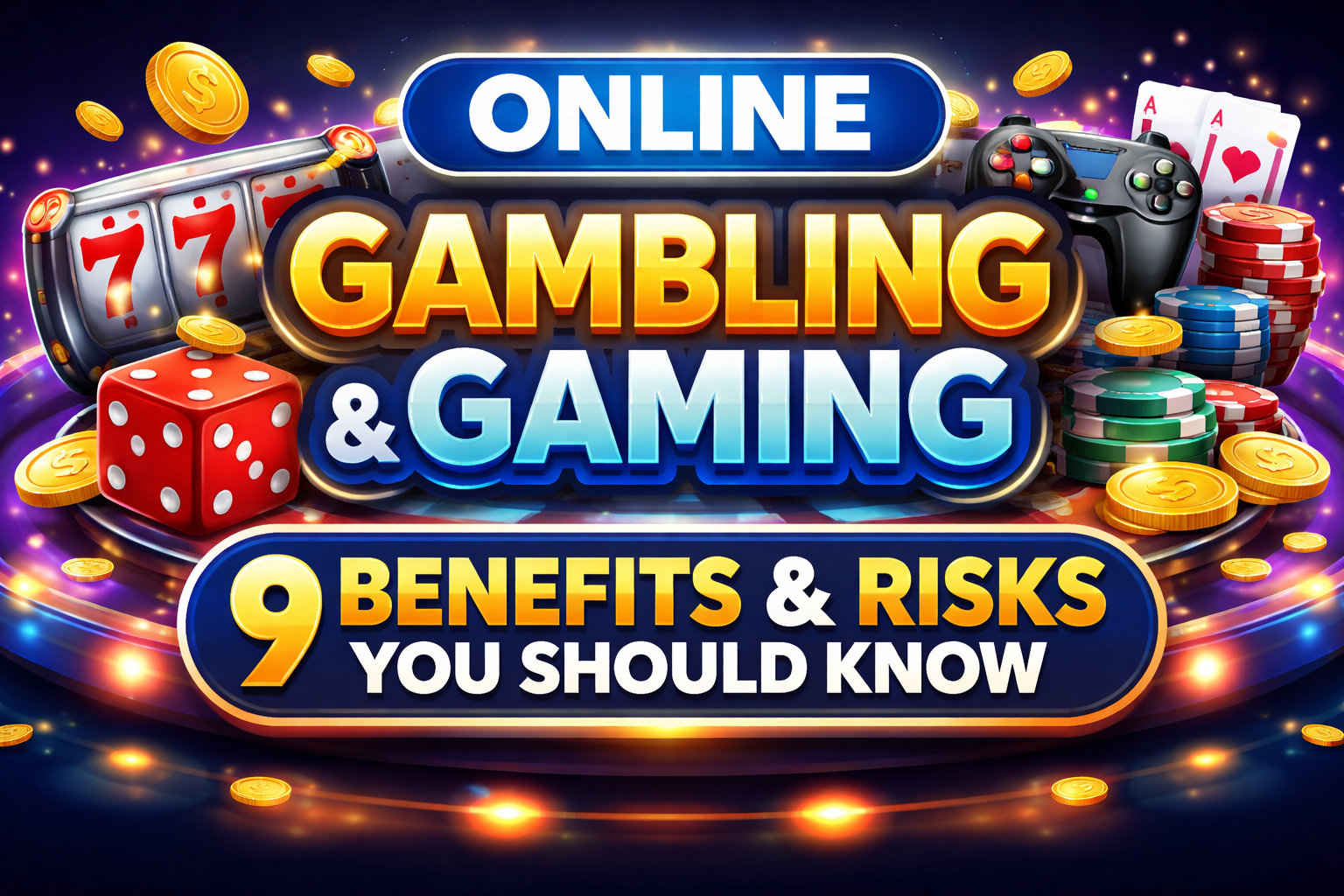
In this article, we’ll explore nine surprising benefits and serious risks of online gambling and gaming so you can understand both sides of this modern digital trend.
Understanding the Difference Between Gaming and Gambling
Before diving into the benefits and risks, it’s important to understand the difference between online gaming and online gambling, since people often confuse the two.
Online Gaming
Online gaming usually refers to video games played on the internet. These include:
- Multiplayer games
- Strategy games
- Mobile games
- Role-playing games (RPGs)
- Competitive esports games
Many of these games require skill, strategy, teamwork, and practice to succeed.
Online Gambling
Online gambling, on the other hand, involves wagering real money on games of chance or betting outcomes. Examples include:
- Online poker
- Sports betting
- Digital slot machines
- Roulette and blackjack platforms
While some gambling games involve skill, luck often plays a major role, and players risk losing money.
Understanding this distinction helps clarify why online gambling and gaming can produce very different experiences and consequences.
Benefit #1: Entertainment and Stress Relief
One of the most obvious benefits of online gambling and gaming is entertainment. After a long day of work or study, many people turn to games as a way to relax and escape daily stress.
Playing a game can provide a temporary mental break from responsibilities. Whether it’s solving puzzles, competing in a multiplayer match, or trying your luck in a card game, the experience can feel exciting and engaging.
When done in moderation, gaming and gambling can function much like watching a movie or reading a novel—they offer a form of leisure that helps people unwind.
Benefit #2: Improved Strategic Thinking
Many online games require players to think strategically. Games such as poker, chess-based strategy games, and competitive esports titles involve planning, analysis, and quick decision-making.
Players often need to:
- Analyze patterns
- Predict opponents’ moves
- Manage resources carefully
- Adapt strategies in real time
Over time, these mental challenges can improve problem-solving abilities and analytical thinking.
Even certain gambling games like poker reward players who understand probability, psychology, and strategy.
Benefit #3: Social Interaction and Community
Contrary to the stereotype of gaming as a lonely activity, online gaming can actually create strong social connections.
Millions of players around the world interact through:
- Multiplayer games
- Voice chats
- Gaming communities
- Streaming platforms
People often form friendships with teammates and competitors from different countries. Some gaming communities become long-term social networks where players share advice, celebrate victories, and support one another.
For individuals who struggle with social anxiety in real-world settings, online communities can offer a more comfortable way to connect with others.
Benefit #4: Skill Development and Learning
Certain types of online games can help players develop valuable skills.
For example:
- Strategy games can improve planning and decision-making.
- Puzzle games enhance logical thinking.
- Multiplayer games strengthen teamwork and communication skills.
Even gambling games like poker involve understanding probability, psychology, and emotional control.
While gaming should never replace real-world learning, it can complement cognitive development when used thoughtfully.
Benefit #5: Economic Opportunities
The online gaming industry has opened doors for entirely new career paths.
Some examples include:
- Professional esports players
- Game streamers and content creators
- Game developers and designers
- Online tournament organizers
Many gamers now earn income through streaming platforms, sponsorships, and esports competitions.
Although this level of success is rare, it shows that online gaming has become more than just entertainment—it has evolved into a major digital economy.
Risk #1: Gambling Addiction
One of the most serious concerns surrounding online gambling is addiction.
Gambling platforms are often designed to encourage continuous play. Features like instant rewards, flashing graphics, and near-miss outcomes can trigger powerful psychological responses.
Over time, some players may feel compelled to keep gambling, even when they are losing money.
Gambling addiction can lead to serious consequences, including:
- Financial debt
- Relationship problems
- Anxiety and depression
- Loss of control over spending
Recognizing the warning signs early is essential for preventing long-term harm.
Risk #2: Financial Loss
Unlike most video games, gambling involves real money. This means players can lose significant amounts if they are not careful.
Many people start gambling with the expectation of winning, but the odds are usually designed to favor the platform or casino.
Some players may try to recover losses by betting more money, which can create a dangerous cycle.
Responsible gambling practices—such as setting spending limits—are crucial to avoid financial damage.
Risk #3: Time Consumption and Productivity Loss
Online gaming can be incredibly immersive. Many modern games are designed to keep players engaged for long periods with rewards, levels, and challenges.
While this can be fun, it can also become problematic if it starts interfering with:
- Work responsibilities
- Academic performance
- Personal relationships
- Physical health
Spending too much time in digital environments may reduce time available for real-world activities such as exercise, social interactions, and learning.
Balance is essential to prevent gaming from becoming overwhelming.
Risk #4: Psychological Stress and Emotional Impact
Both gaming and gambling can trigger strong emotional reactions.
Players may experience:
- Frustration after losing
- Anger during competitive matches
- Stress from financial losses
- Anxiety from constant competition
In gambling, losing streaks can lead to feelings of guilt or desperation. In competitive gaming, toxic environments or aggressive players may negatively affect mental health.
Understanding emotional triggers can help players maintain a healthier relationship with these activities.
Signs of Problematic Gambling or Gaming
Recognizing unhealthy patterns early can prevent serious consequences.
Some warning signs include:
- Spending more money than intended
- Hiding gambling or gaming habits from family
- Feeling restless or irritable when unable to play
- Neglecting responsibilities due to gaming or gambling
- Chasing losses by betting more money
If these behaviors appear regularly, it may be time to reconsider gaming or gambling habits.
Responsible Gaming and Gambling Practices
Fortunately, there are ways to enjoy online gambling and gaming without letting them take control.
Some helpful strategies include:
Set Clear Limits
Decide in advance how much time or money you are willing to spend. Once that limit is reached, stop playing.
Take Regular Breaks
Long gaming sessions can cause fatigue and poor decision-making. Short breaks help maintain balance and perspective.
Treat Gambling as Entertainment
Never see gambling as a reliable way to make money. It should be viewed purely as entertainment.
Avoid Playing When Emotional
Stress, anger, or sadness can lead to impulsive decisions. It’s better to play when you feel calm and in control.
Maintain Real-Life Balance
Make sure gaming and gambling do not replace healthy activities like exercise, social interaction, and productive work.
The Future of Online Gambling and Gaming
Technology continues to transform the gaming and gambling industries.
Emerging innovations include:
- Virtual reality gaming environments
- Blockchain-based gaming economies
- Artificial intelligence in game design
- Global esports tournaments with massive audiences
These advancements will likely make online gaming even more immersive and widespread.
However, as technology evolves, discussions about responsible use, regulation, and mental health will become increasingly important.
Governments, developers, and communities will need to work together to ensure these digital spaces remain safe and enjoyable for players.
Conclusion
Online gambling and gaming have become powerful forces in modern digital culture. They offer excitement, social interaction, and even opportunities for learning and career development. When used responsibly, they can be a fun and engaging form of entertainment.
However, the risks should never be ignored. Gambling addiction, financial loss, excessive screen time, and emotional stress can all emerge when these activities go beyond healthy limits.
The key is balance. Understanding both the benefits and risks of online gambling and gaming allows individuals to make informed choices about how they engage with these platforms.
For people who feel their habits are becoming difficult to control, exploring gambling addiction help and resources can provide guidance, education, and support for building healthier gaming behaviors.