






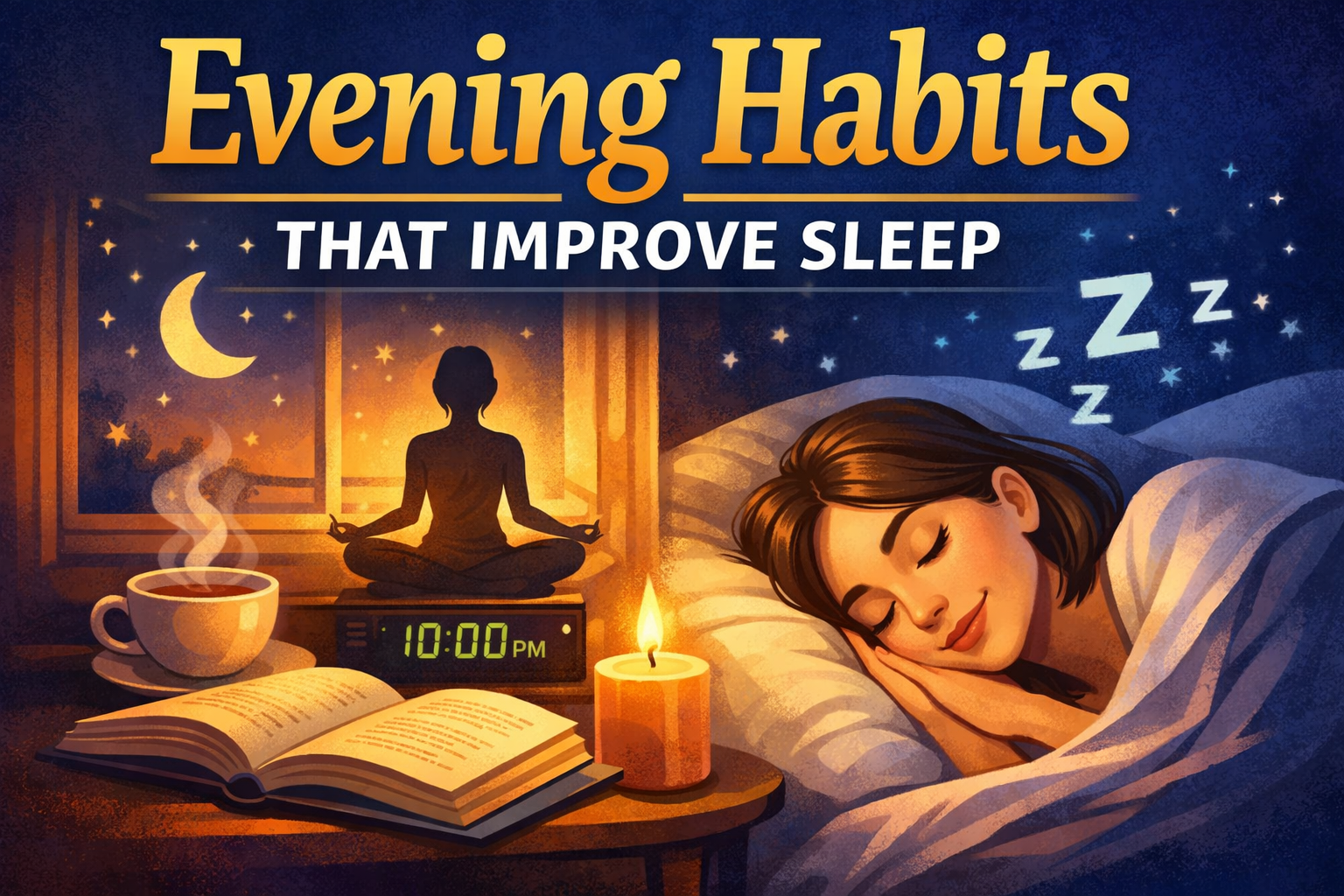
Getting a good night’s sleep is no longer just a luxury — it’s essential for your physical health, mental clarity, and daily productivity. Modern lifestyles, packed schedules, and constant screen exposure make quality rest challenging. Over the past few years, I’ve experimented with different evening habits that improve sleep, and the small changes I’ve implemented have completely transformed my energy levels and focus the next day. Fortunately, by adopting these intentional habits, you can enhance your rest and set yourself up for a more productive tomorrow. For more ideas on building effective routines, check out this guide to productive lifestyle habits
In this guide, we explore 10 easy evening habits for better sleep that are simple, practical, and backed by science. These habits are perfect for students, professionals, freelancers, or anyone looking to recharge efficiently.
1. Keep a Consistent Sleep Schedule
Consistency is key. Going to bed and waking up at the same time every day strengthens your body’s natural circadian rhythm. This makes it easier to fall asleep, wake up refreshed, and maintain energy throughout the day.
I remember a few months ago, I was staying up late finishing work projects and waking up randomly. By mid-week, I felt groggy, forgetful, and irritable. Once I committed to a fixed bedtime of 10:30 PM and wake-up at 6:30 AM, even on weekends, my mornings became far more productive. I could start tasks without feeling sluggish, and my focus lasted longer.
Tip: Start with small adjustments if your current schedule is erratic — go to bed 15 minutes earlier each night until you reach your goal.
2. Wind Down With a Relaxing Pre‑Sleep Routine
Your brain needs a transition period from the busy day to restful night. Gentle stretches, a warm shower, reading, or journaling can help signal your body that it’s time to relax. Incorporating such routines reduces stress and allows your mind to ease into sleep naturally.
Personally, I love spending 10–15 minutes journaling before bed. I jot down one achievement of the day and one thing I want to improve tomorrow. Even on the busiest days, this ritual makes me feel grounded and calm, allowing me to fall asleep faster.
Tip: Experiment with different wind-down activities — perhaps a cup of chamomile tea, a short meditation, or listening to calm instrumental music — until you find what works best.
3. Limit Screen Exposure Before Bed
The blue light emitted from phones, laptops, and TVs suppresses melatonin — the hormone that regulates sleep. Research shows that reducing screen time an hour before bed significantly improves sleep quality.
I used to scroll social media for hours, thinking it helped me unwind. Instead, it made my mind race, leaving me tossing and turning at night. Switching to reading a paperback book or listening to a calm podcast for 30–60 minutes before bed drastically improved how quickly I fell asleep.
Tip: If you must use your devices, enable night mode or blue-light filters and keep brightness low.
4. Optimize Your Sleep Environment
Your bedroom should be a sanctuary for rest. Keep it cool, quiet, and dark. Investing in blackout curtains or comfortable bedding can significantly improve sleep quality. A peaceful environment signals your nervous system that it’s safe to relax, making it easier to fall asleep and stay asleep.
For me, a small change like switching to a heavier curtain and lowering the room temperature by a few degrees made a noticeable difference. I no longer woke up in the middle of the night due to heat or light, and my sleep cycles became uninterrupted.
Tip: Consider white noise machines or soft instrumental music if you live in a noisy area — it can make falling asleep much easier.
5. Avoid Heavy Meals and Caffeine Late in the Day
Eating large, spicy meals close to bedtime can lead to indigestion, while caffeine consumed in the late afternoon can keep you awake. For a better night’s rest, finish heavy meals at least three hours before bed and switch to herbal teas such as chamomile or peppermint. Light snacks like bananas, almonds, or yogurt are also great evening options.
I remember once I had pizza late at night. I stayed awake for hours because my stomach was upset. Since then, I make it a point to have dinner earlier and choose lighter foods at night. The difference in how I feel the next morning is astonishing — I wake up with more energy and mental clarity.
6. Practice Mindfulness or Meditation
Stress is a major sleep disruptor. Practices like meditation, deep breathing, or progressive muscle relaxation calm your mind and prepare your body for sleep. For example, box breathing — inhaling for four counts, holding for four, exhaling for four — helps lower heart rate and relax the nervous system.
When I first tried meditation, I was skeptical. Sitting quietly seemed like a waste of time. But after a week of nightly practice, even five minutes, I noticed less anxiety at bedtime and faster sleep onset. My mornings became more focused because my mind wasn’t preoccupied with lingering stress from the previous day.
7. Write Down Tomorrow’s Plan
Juggling tasks in your head can keep you awake. Writing a “brain dump” of tomorrow’s tasks, appointments, and ideas clears mental clutter and reduces anxiety. Once it’s on paper, your mind can relax, allowing you to drift into sleep naturally.
I personally keep a small notebook beside my bed. Writing down three main priorities for the next day releases mental pressure. Not only do I sleep better, but I wake up ready to tackle the day without the overwhelm that used to paralyze me.
8. Limit Fluids Before Bedtime
Waking up to use the bathroom interrupts deep sleep cycles. Try reducing liquids 60–90 minutes before bed. If you feel thirsty, small sips are sufficient without disturbing your rest.
It may seem minor, but this habit made my sleep cycles more consistent. I used to wake up 2–3 times nightly; now, with mindful hydration, I rarely do.
9. Control Light Exposure
Morning sunlight helps regulate your circadian rhythm, making you feel alert during the day. Conversely, dimming lights in the evening signals your body that it’s time to wind down. Using low-intensity, warm lighting can naturally prepare your body for sleep.
I started keeping my bedroom lights warm after 8 PM and using desk lamps instead of overhead lighting. This simple change helped me fall asleep faster and improved my overall energy levels in the morning.
10. Reflect on Positive Moments
Ending your day on a positive note improves mental well-being and sleep quality. List a few good things that happened or achievements you’re proud of. This habit enhances gratitude, reduces stress, and supports a restful night, which translates to better productivity the next day.
I often recall moments that made me smile — whether it was a compliment from a colleague or finishing a challenging task. This mental practice keeps my mind focused on positives rather than anxieties, making sleep peaceful and restorative.
How Quality Sleep Boosts Productivity
Consistently following these evening habits not only improves sleep but also enhances daily performance:
- Energy and Stamina: Well-rested individuals have more physical and mental energy. After adopting these habits, I no longer hit a mid-afternoon slump.
- Improved Focus and Memory: Deep sleep strengthens cognitive functions and memory retention. I noticed I could recall details in meetings more effectively.
- Better Mood Regulation: Proper rest allows you to handle stress better and stay emotionally balanced.
- Enhanced Decision-Making: Adequate rest supports planning, prioritization, and self-control.
For additional productivity insights, you can explore this lifestyle guide, which aligns well with healthy sleep habits.
Bonus Tips for Nighttime Success
- Track Your Sleep: Keep a sleep diary to notice patterns. Note bedtime, wake-up time, and how rested you feel.
- Avoid Negative News at Night: Reading stressful or sensational news before bed can trigger anxiety and reduce sleep quality.
- Incorporate Gentle Evening Movement: Light yoga or stretching improves circulation and reduces muscle tension, helping you relax.
Conclusion
Transforming your evening routine with mindful habits creates a ripple effect that affects your entire life. Better sleep results in higher energy, sharper focus, and more productive days. Small, consistent changes — even one or two habits at a time — compound over weeks, making a significant difference in health, mood, and efficiency.
Start tonight. Pick one habit — perhaps journaling or dimming lights — and gradually build your perfect evening routine. Soon, your nights will be peaceful, and your days will be energized, focused, and productive.
For additional science-backed strategies on sleep improvement, see Harvard Health’s sleep guide.
FAQs:Evening Habits That Improve Sleep
1. What are the best evening habits that improve sleep?
Some of the most effective evening habits include keeping a consistent sleep schedule, limiting screen time before bed, practicing meditation or mindfulness, journaling, controlling light exposure, and avoiding heavy meals or caffeine late in the day. Even small changes in your routine can make a big difference.
2. How long does it take to see results from evening sleep habits?
Most people notice improvements within 1–2 weeks of consistently following good evening habits. For deeper changes in sleep quality and next-day productivity, it may take a month of steady practice.
3. Can evening habits help with stress and anxiety?
Yes. Habits like journaling, meditation, and reflecting on positive moments reduce mental clutter and lower stress hormones, making it easier to fall asleep and wake up refreshed.
4. Is it necessary to avoid screens completely before bed?
While avoiding screens entirely is ideal, even reducing exposure or using blue-light filters for an hour before bedtime can improve melatonin production and sleep quality.
5. Can these habits improve productivity the next day?
Absolutely. Better sleep restores energy, enhances focus, improves memory, and helps regulate mood — all of which contribute to higher productivity and better decision-making the following day.
6. How can I track the effectiveness of my evening habits?
You can keep a sleep journal to note bedtime, wake-up time, how rested you feel, and which habits you followed. Over time, you’ll see patterns that indicate which habits work best for you.