






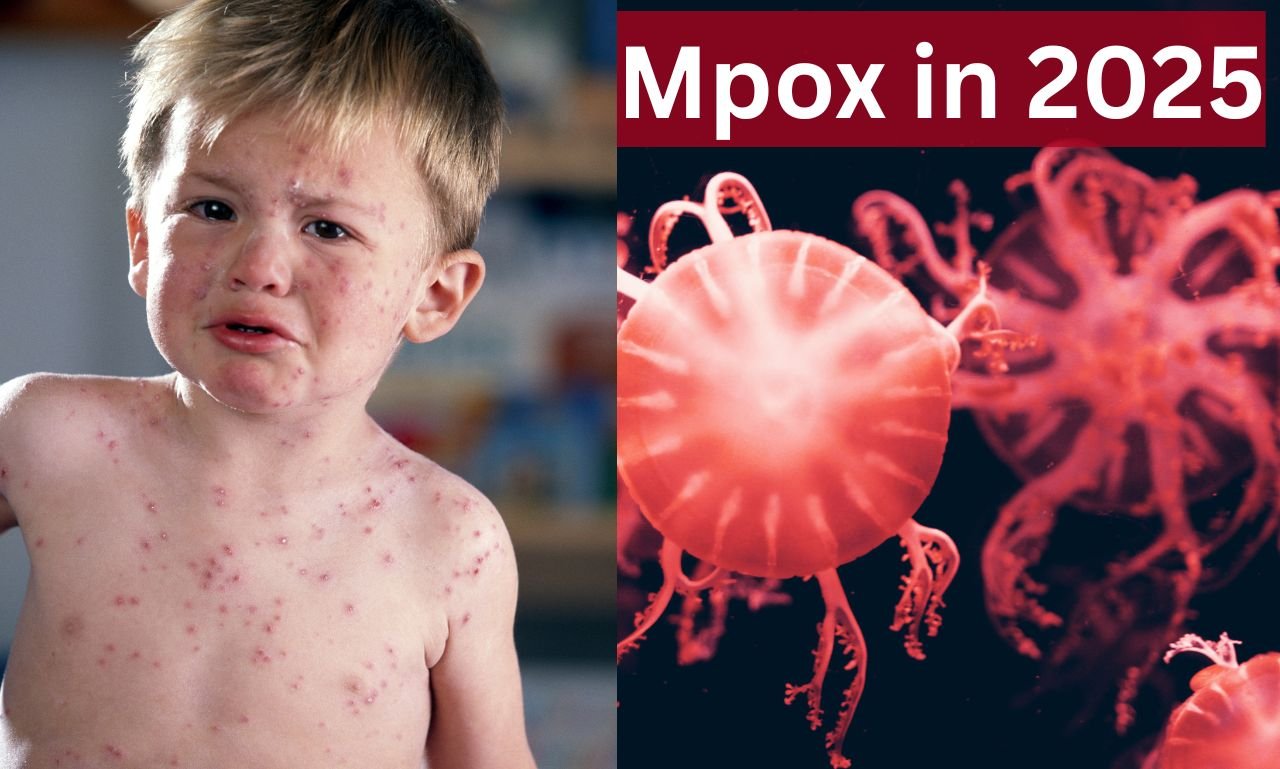
Mpox (formerly known as monkeypox) is still a global health concern in 2025, even though it no longer dominates headlines the way it did during the 2022 outbreak. The virus, which belongs to the same family as smallpox, has continued to circulate in parts of Africa and has caused sporadic cases in other regions through travel. In recent months, health authorities such as the World Health Organization (WHO) and the Centers for Disease Control and Prevention (CDC) have issued updates about new clusters, potential risks, and vaccination campaigns.
This article explores the current status of mpox outbreaks in 2025, including its causes, transmission, symptoms, available treatments, and prevention strategies. Whether you are a health enthusiast, a traveler, or simply someone looking to stay informed, this guide will give you the latest insights into how mpox is evolving and what you need to know to
1. What is Mpox?
Mpox (formerly called monkeypox) is a viral disease caused by the mpox virus, part of the Orthopoxvirus genus, which also includes smallpox. It is zoonotic, meaning it can be transmitted from animals to humans, but human-to-human spread is also possible under certain circumstances.
Historically, mpox was primarily reported in parts of Central and Western Africa. Outbreaks outside of those areas were relatively rare until recent years. Starting in 2022, mpox gained global attention due to larger outbreaks in many countries where it had not been common, culminating in WHO declaring it a Public Health Emergency of International Concern (PHEIC) in August 2024.
World Health Organization (WHO) → Mpox Situation Updateshttps://www.who.int/emergencies/situations/mpox-outbreak
2. Clades & How They Differ
There are two main clades of the mpox virus:
- Clade I (formerly the Central African / Congo Basin clade) — tends to cause more severe disease and has a higher fatality rate.
- Clade II (formerly the West African clade) — generally causes milder disease, lower fatality.
Within Clade II, there are subclades, including the variant called clade IIb in recent outbreaks. Also, a more recent variant clade Ib has been described in some outbreaks, particularly in Central & Eastern Africa. MDPI+2CDC+2
Each clade has different transmission dynamics, severity, and geographical prevalence, which are important in assessing risk. CDC+2MDPI+2
3. Current Global Situation (2025)
Here’s where things stand in 2025:
- According to WHO’s External Situation Report #57 (as of 28 August 2025), there are active outbreaks of mpox in multiple countries, particularly in Africa. World Health Organization
- As of mid-September 2025, there have been more than 40,000 cases of Clade I mpox in Central and Eastern Africa. Travel-associated cases of Clade I have also been reported in several countries outside Africa, but local transmission is less common in those settings. CDC
- Clade II cases continue globally but at lower levels. These outbreaks, though, are still monitored closely. CDC
- Sierra Leone has reported a recent surge of mpox infections, especially concentrated in West Africa. Over 3,000 infections in Sierra Leone in a short period have raised concerns about spread to neighboring regions. Nature
- Although the WHO declared the mpox outbreak in Africa is no longer an international health emergency as of early September 2025, the organization and health experts emphasize that the disease remains a public health concern. AP News+2Reuters+2
4. Symptoms, Transmission & High-Risk Groups
Symptoms
Mpox symptoms often resemble those of other poxviruses or even some other diseases initially, which makes early detection tricky. Key symptoms include:
- Fever, chills
- Headache, muscle aches, back pain
- Fatigue / low energy
- Swollen lymph nodes
- Skin rash which develops into pus-filled lesions, often lasting 2-4 weeks before healing. The Sun+1
Some recent cases show unusual presentations, such as single or few lesions, often in genital or perianal regions, which can lead to misdiagnosis. MDPI+2Wikipedia+2
Transmission
Mpox spreads via:
- Close physical contact with an infected person, especially direct contact with skin lesions or bodily fluids
- Contact with contaminated materials (fomites) — bedding, clothing, etc.
- Possibly via respiratory droplets, though this tends to be less efficient
- Sexual or intimate contact has played a role in transmission in recent outbreaks, especially in non-endemic settings. MDPI+2CDC+2
High-Risk Groups
Certain groups are at greater risk of severe disease or complications:
- Children, particularly those under 15
- People with weakened immune systems (e.g. HIV/AIDS, other immunocompromised states)
- Pregnant women
- People with close exposure (healthcare workers, those in contact with infected patients)
- Those who lack access to medical resources or supportive care. CDC+2MDPI+2
5. Diagnosis & Treatment Options
Diagnosis
Diagnosing mpox typically involves:
- Clinical evaluation: looking at symptoms, progression (fever, rash)
- Laboratory testing: PCR (polymerase chain reaction) testing of lesion samples is the gold standard
- Differential diagnosis is important, especially to rule out chickenpox, herpes, bacterial skin infections, or other diseases that cause skin lesions.
Treatment
Currently, there is no specific antiviral universally approved just for mpox in many places, but some treatments are used, especially in severe cases:
- Tecovirimat (an antiviral originally developed for smallpox) has been used under certain protocols.
- Supportive care: managing symptoms (pain, hydration, secondary infections)
- In some regions, other drugs like cidofovir or brincidofovir are being considered or used under specific conditions. MDPI
6. Public Health Response & Vaccines
- WHO & national public health agencies are still monitoring outbreaks, collecting data, conducting contact tracing, and advising on risk communication. World Health Organization+1
- Vaccine usage: Some vaccines originally developed for smallpox offer cross protection. Vaccination efforts have been more active in hotspot areas or for high-risk individuals.
- Declaring and lifting public health emergencies: WHO declared mpox an international health emergency in August 2024; in early September 2025, the emergency status was lifted, reflecting improved control, though concerns remain. Reuters+2AP News+2
7. Preventive Measures: What You Can Do
Here are practical, evidence-based steps to reduce risk of mpox for yourself, your family, or your community:
- Avoid close contact with people showing symptoms (rash, lesions, fever)
- Don’t share bedding, clothes, towels with infected persons
- If caring for someone with mpox, use protective equipment (gloves, masks) and disinfect surfaces and laundry properly
- Wash hands frequently with soap and water or use alcohol-based hand sanitizer
- Be mindful of travel advisories; if travelling to or from areas with active outbreaks, take extra precautions
- For healthcare workers: follow infection prevention protocols carefully; isolate suspected cases; use PPE (personal protective equipment).
8. Controversies, Misinformation & Social Perception
- One issue has been stigma: because of some cases being reported among men who have sex with men (as with past outbreaks), there is risk of misleading narratives or blaming, which can hurt public health efforts.
- Misinformation spreads fast: false claims about how the disease spreads, supposed “cures,” or exaggerated dangers can cause panic. Tools like dashboards tracking social media are being used to monitor discourse and counter false information. arXiv
- Vaccine access and fairness: many African countries bear the brunt of the outbreaks but often get fewer resources, limited vaccine doses, and less attention.
9. Should You Be Worried? Especially in Your Area
This depends on several factors:
- Geographic proximity to outbreak zones
- Local public health infrastructure: how good are diagnosis, reporting, awareness, healthcare access
- Travel: if you travel often, particularly to or from outbreak-affected regions, risk is higher
- Personal health: immune status, age, underlying health issues
If you are in a region like Pakistan (or any country not currently experiencing large outbreaks), risk is generally lower, but it’s not zero—especially through international travel or imported cases. Being informed is your best protection.
10. Conclusion
Mpox remains a health concern in 2025. While the WHO has scaled back the emergency status, declines in cases don’t mean the risk is gone. Some regions — especially in Central, Eastern, and West Africa — are still facing significant outbreaks. For individuals everywhere, awareness, preventive measures, and access to accurate information are key.
Staying up to date with trusted sources (WHO, CDC, local health departments) can help you understand your risk and take steps to protect yourself. If you ever suspect symptoms or exposure, consult medical professionals early.
What is mpox?

Mpox, formerly called monkeypox, is a viral disease caused by the mpox virus. It is related to smallpox and can spread through close contact with an infected person, contaminated materials, or animals.
Is mpox still spreading in 2025?
Yes. While cases have declined compared to the global outbreak in 2022–2023, mpox continues to spread in parts of Africa, especially Central and Eastern regions. Sporadic cases are reported internationally, often linked to travel.
What are the main symptoms of mpox?
The main symptoms include fever, swollen lymph nodes, muscle aches, and a rash that develops into pus-filled lesions. Some people may have only a few lesions, while others may develop more widespread rashes.
How dangerous is mpox?
Severity depends on the virus clade and the patient’s health condition. Clade I can be more severe, with higher mortality, while Clade II usually causes milder illness. Children, immunocompromised individuals, and pregnant women are at higher risk of complications.
Is there a vaccine for mpox?
Yes. Smallpox vaccines (like JYNNEOS and ACAM2000) provide protection against mpox. Vaccination is usually recommended for high-risk groups and healthcare workers, not the general population.
Can mpox spread through sexual contact?
Yes. Although not considered a “classic” sexually transmitted infection, mpox can spread during intimate contact, including sexual activity, due to skin-to-skin exposure and contact with lesions.
How can I protect myself from mpox?
Avoid close contact with infected individuals.
Do not share bedding, clothing, or utensils.
Wash your hands frequently.
Follow travel advisories if visiting outbreak regions.
Seek medical advice if you develop symptoms after possible exposure.
Should I be worried about mpox in my country?
If your country is not currently experiencing an outbreak, the risk is low. However, imported cases are possible. Staying informed and following preventive measures is the best approach.