





Online gaming effects on children have become one of the most widely discussed topics among parents, educators, and child psychologists. With the explosion of multiplayer games, interactive online platforms, and competitive esports, many parents find themselves asking: Is gaming harmful to children, or can it actually be beneficial?
The reality is nuanced — the impact of online gaming depends on what games children play, how long they play, and the way gaming fits into their daily lives. When used thoughtfully, gaming can enhance problem-solving skills, creativity, and social interaction. However, excessive or inappropriate gaming may affect academics, sleep, or emotional health.
In this article, we will explore the positive and negative effects of online gaming, review relevant scientific research, provide practical guidelines for healthy gaming, and share real-life experiences from families. This guide will help parents make informed decisions and ensure that gaming becomes a safe, enjoyable, and even educational part of their child’s life.
The Rise of Online Gaming
Children today are growing up in a fully digital world, where online gaming has become a major part of entertainment and social interaction. In fact, the gaming industry is now larger than both the film and music industries combined, with children making up a significant portion of active players. Modern games go far beyond simple play—they include social networking features, live multiplayer interactions, and competitive esports leagues, offering children opportunities to connect and compete globally.
While gaming has become mainstream, it also raises important questions about its impact on children’s development, education, and mental health. Parents and educators are increasingly concerned about finding a balance that allows children to enjoy gaming while avoiding potential negative effects. Understanding both the benefits and risks is key to guiding healthy gaming habits.
Personal Experience:
Many parents notice both the joys and challenges of online gaming firsthand. For example, one parent shared that her 12-year-old son improved his problem-solving skills and teamwork through cooperative multiplayer games. At the same time, she realized the importance of setting time limits, because too much gaming sometimes affected his homework and sleep. Experiences like these highlight that gaming’s impact depends on how it is managed, showing both its potential benefits and the need for balance.
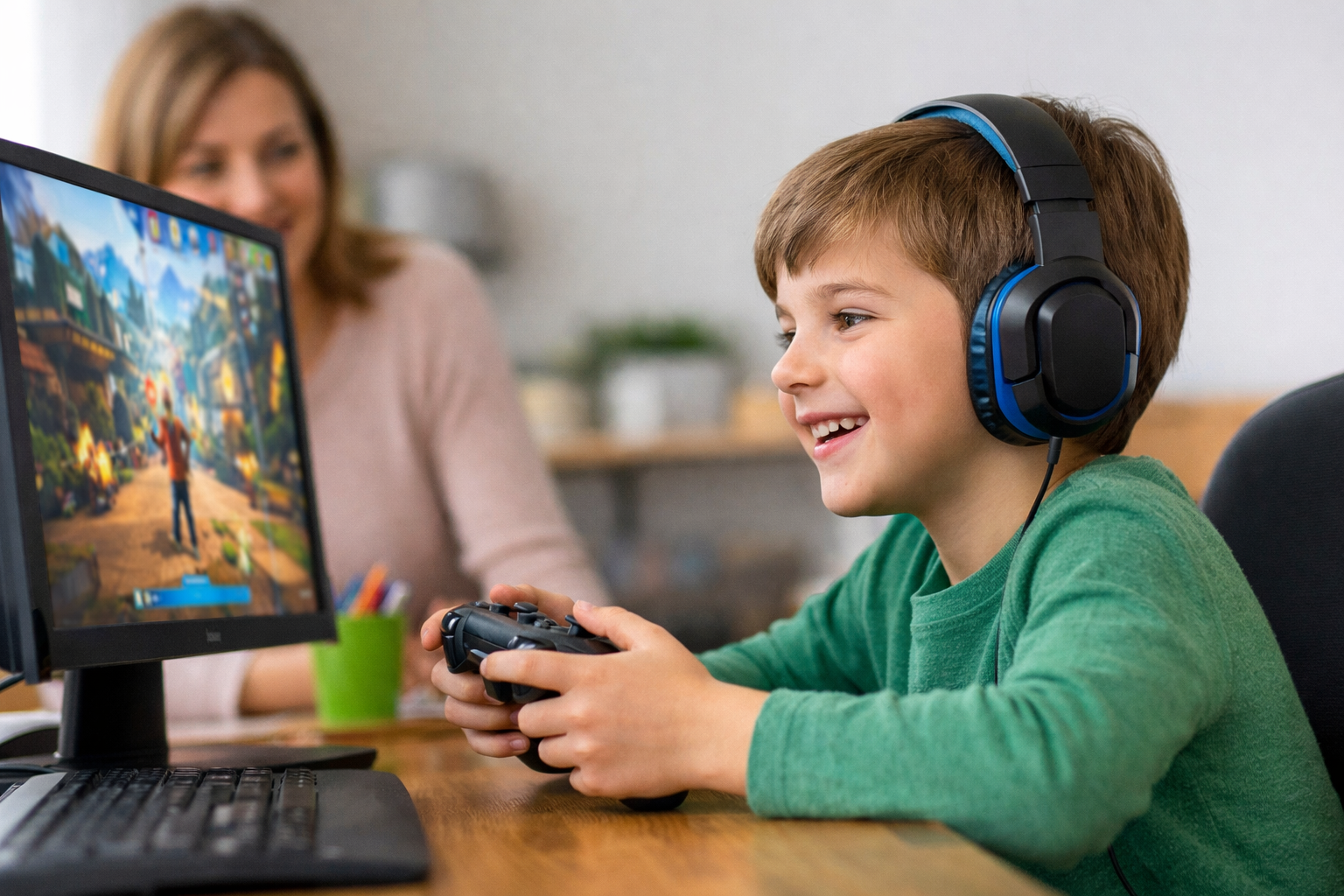
1.Children Playing Online Games

2. Positive Effects of Online Gaming on Children
Not all gaming is harmful. In fact, many studies show that online gaming can have several positive effects on children when played in moderation. Games can enhance cognitive skills, such as problem-solving, memory, and strategic thinking. Multiplayer and cooperative games also improve social skills, as children learn to communicate, collaborate, and work as part of a team.
Beyond cognitive and social benefits, gaming can support emotional development, helping children manage stress, build confidence, and develop resilience through challenges and achievements. When balanced with other activities, online gaming can be a valuable tool for learning and growth.

2.1 Cognitive and Educational Benefits
- Problem-Solving: Many games require strategic thinking and planning. Gamers often perform better on problem-solving and spatial reasoning tests.
- Memory & Attention: Puzzle and action games can enhance memory and attention span.
- Learning Tools: Educational games like Minecraft: Education Edition and DragonBox Algebra make learning engaging.
For more updates visit Best educational games for kids – Common Sense Media
2.2 Social Benefits
- Teamwork: Games like Fortnite and Among Us teach strategy and cooperation.
- Friendship & Communication: Online communities help shy or introverted children socialize.
- Cultural Awareness: International interactions introduce children to new cultures and languages.
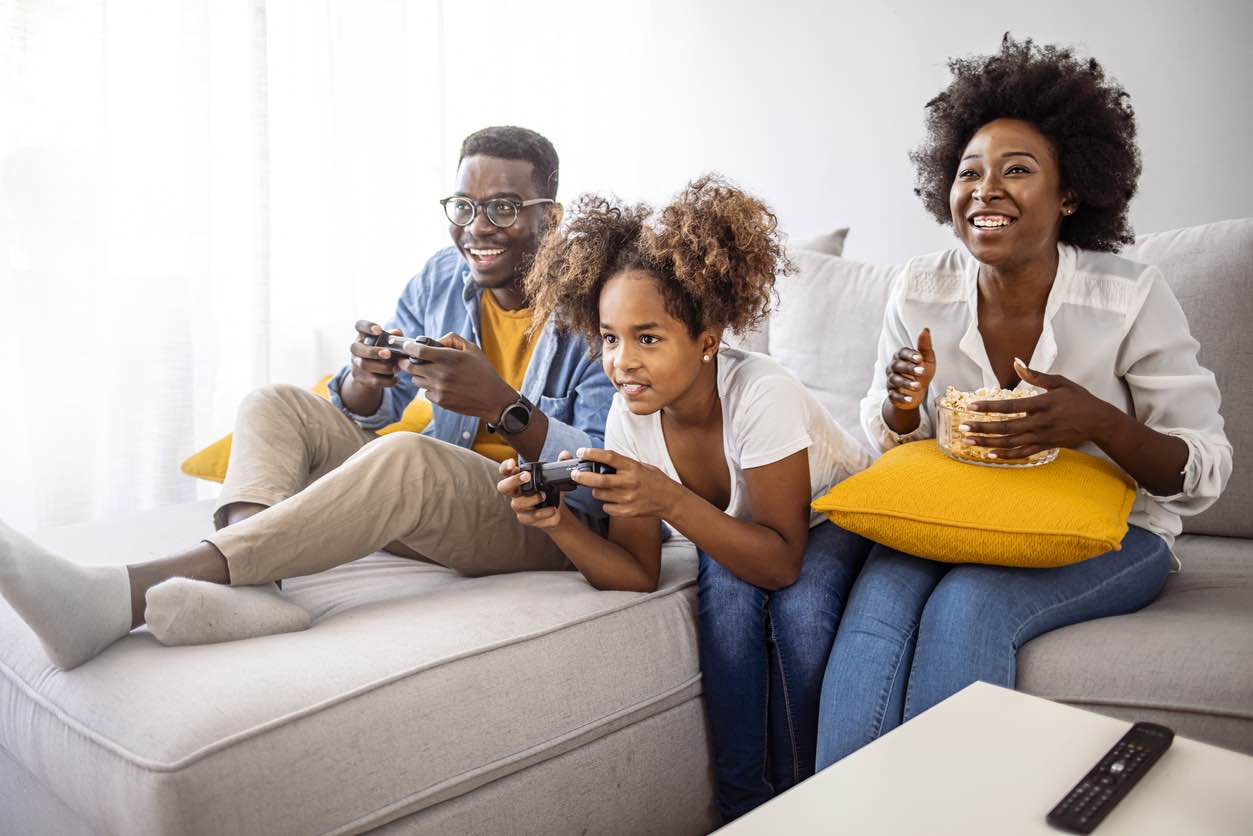
3.Children Playing Multiplayer Games
Multiplayer games allow children to connect, collaborate, and communicate with peers online, fostering teamwork and social skills. These games also help kids develop strategic thinking while enjoying a fun and interactive experience in a safe, monitored environment.
2.3 Emotional and Psychological Benefits of Online Gaming
Online gaming offers more than just entertainment—it can provide significant emotional and psychological benefits for children when approached in moderation.
Stress Relief: Engaging in games allows children to unwind and take a mental break from schoolwork or daily routines. Immersive gameplay can act as a healthy outlet for stress, helping them relax and recharge.
Confidence & Achievement: Successfully completing game challenges, leveling up, or solving difficult problems gives children a sense of accomplishment. This boosts self-esteem and encourages them to take on new challenges with a positive mindset.
Resilience & Persistence: Games often involve trial and error, where failure is part of the learning process. Children learn to handle setbacks, adapt strategies, and keep trying, building resilience and problem-solving skills that translate into real-life situations.
By providing a safe and balanced gaming environment, parents can help their children enjoy these emotional and psychological benefits while minimizing potential risks.
3. Negative Effects of Online Gaming
While gaming has benefits, excessive or poorly managed gaming can be harmful.
3.1 Excessive Screen Time & Health
- Sedentary Lifestyle: Long hours sitting may lead to obesity, poor posture, and eye strain.
- Sleep Disruption: Late-night gaming affects sleep quality.
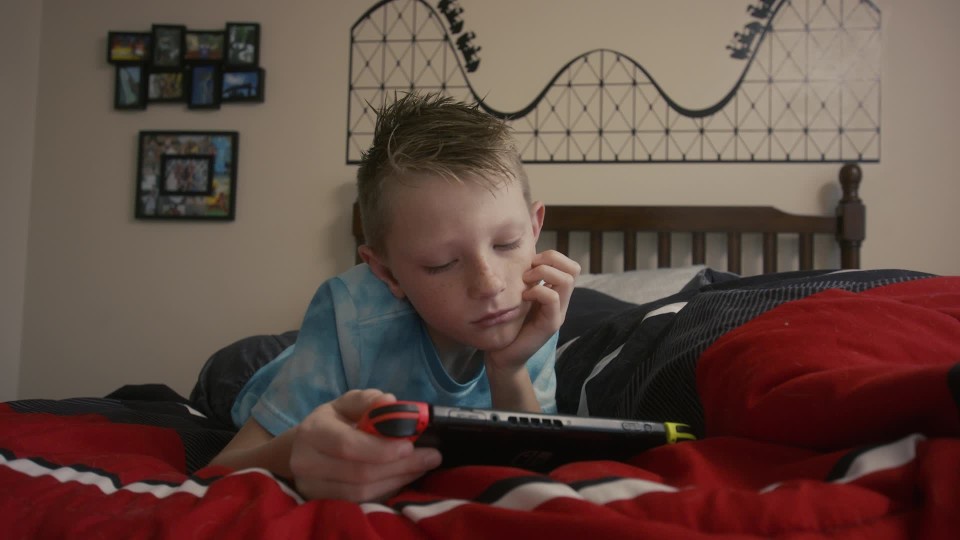
4: Child with Screen Fatigue
Excessive gaming or prolonged screen time can lead to screen fatigue, causing eye strain, headaches, and reduced focus in children. It’s important for parents to encourage regular breaks, outdoor activity, and balanced screen usage to protect both physical and mental health.
3.2 Addiction & Impulse Control
- Games use reward systems that can trigger compulsive behavior.
- The World Health Organization classifies excessive gaming as a behavioral disorder.
Signs include:
- Loss of control
- Prioritizing gaming over responsibilities
- Continuing despite negative consequences
3.3 Academic & Social Impact
- Lower academic performance when time spent gaming replaces study.
- Social isolation if gaming replaces real-life friendships.
- Behavioral issues like irritability or mood swings.
3.4 Exposure to Inappropriate Content
- Many popular games contain violence, mature themes, or strong language.
- Online chats may expose children to cyberbullying or predators.
4. Scientific Research Highlights
- Brain Benefits: Moderate gaming improves decision-making and brain connectivity (Harvard study).
- Educational Impact: Well-designed educational games improve learning retention (Educational Technology Research and Development).
- Social Behavior: Gaming can enhance social skills but may replace physical interaction if unchecked.
5. Healthy Gaming Guidelines for Parents
- Set Time Limits:
- Weekdays: 30–60 minutes
- Weekends: 1–2 hours
- Choose the Right Games: Age-appropriate, educational, non-violent
🔗 ESRB Game Ratings - Encourage Breaks & Exercise
- Play With Your Child to understand content and interactions
- Use Parental Controls to filter content and manage usage
6. Real-Life Stories
- Positive: A Sydney mother shared how her son improved in math using educational games.
- Negative: A Toronto father noticed his daughter skipping homework for Fortnite. With limits, balance returned.
7. Future of Gaming
- AR & VR gaming experiences
- Interactive educational platforms
- Safe, child-friendly online ecosystems
Gaming can be a powerful educational and social tool if managed responsibly.
Conclusion:
Online gaming can be beneficial for children when used in moderation. It helps improve cognition, problem-solving skills, social interaction, and emotional development. Educational and cooperative games, in particular, allow kids to learn while connecting with peers, making gaming a positive part of their daily routine.
However, gaming can become harmful when excessive. Spending too much time on games may affect sleep, physical health, and academic performance. Exposure to violent or inappropriate content can also impact behavior and emotional well-being. Striking a healthy balance is key to ensuring that gaming remains a constructive activity.
Parental guidance, healthy limits, and careful game selection are essential in determining the outcome. By setting boundaries, monitoring content, and encouraging other activities, parents can help children enjoy the benefits of gaming safely. For more insights on parenting, technology, and child development, visit KainatTrendScapes.com for expert tips and updated articles.
FAQs: Online Gaming Effects on Children
1. Is online gaming harmful to children?
Online gaming is not inherently harmful. Its impact depends on how much, what type of games, and how gaming is managed. Balanced gaming can improve cognitive skills, social interaction, and emotional development, while excessive gaming may affect academics, sleep, or health.
2. How much screen time is safe for children?
Experts recommend moderate screen time, usually 1–2 hours per day for school-aged children. Breaks, outdoor activity, and a variety of hobbies help prevent screen fatigue and negative effects on physical and mental health.
3. Can online games improve social skills?
Yes, multiplayer and cooperative games help children communicate, collaborate, and work as a team. They also build problem-solving skills and strategic thinking while offering opportunities to interact safely with peers online.
4. How can parents ensure safe gaming?
Parents should set time limits, monitor game content, and encourage breaks. Choosing age-appropriate games and discussing online behavior helps children enjoy gaming safely while minimizing risks.