







The world is changing faster than ever before. New technologies, digital platforms, and intelligent systems are transforming how people live, work, communicate, and even think. What once seemed like science fiction—smart homes, artificial intelligence assistants, remote work from anywhere, and digital healthcare—is now becoming part of everyday life.
These changes are often described as Future Lifestyle & Digital Trends, a combination of technological innovation and evolving human habits. Instead of simply improving devices, technology is reshaping our routines, expectations, and lifestyles.
From AI-powered tools to virtual workplaces and digital wellness solutions, the future lifestyle is becoming more connected, personalized, and flexible. Understanding these digital trends can help individuals, businesses, and communities prepare for a smarter and more balanced future.
In this article, we will explore how Future Lifestyle & Digital Trends are influencing modern living, the technologies behind these changes, and what we can expect in the coming years.
The Rise of Smart Living
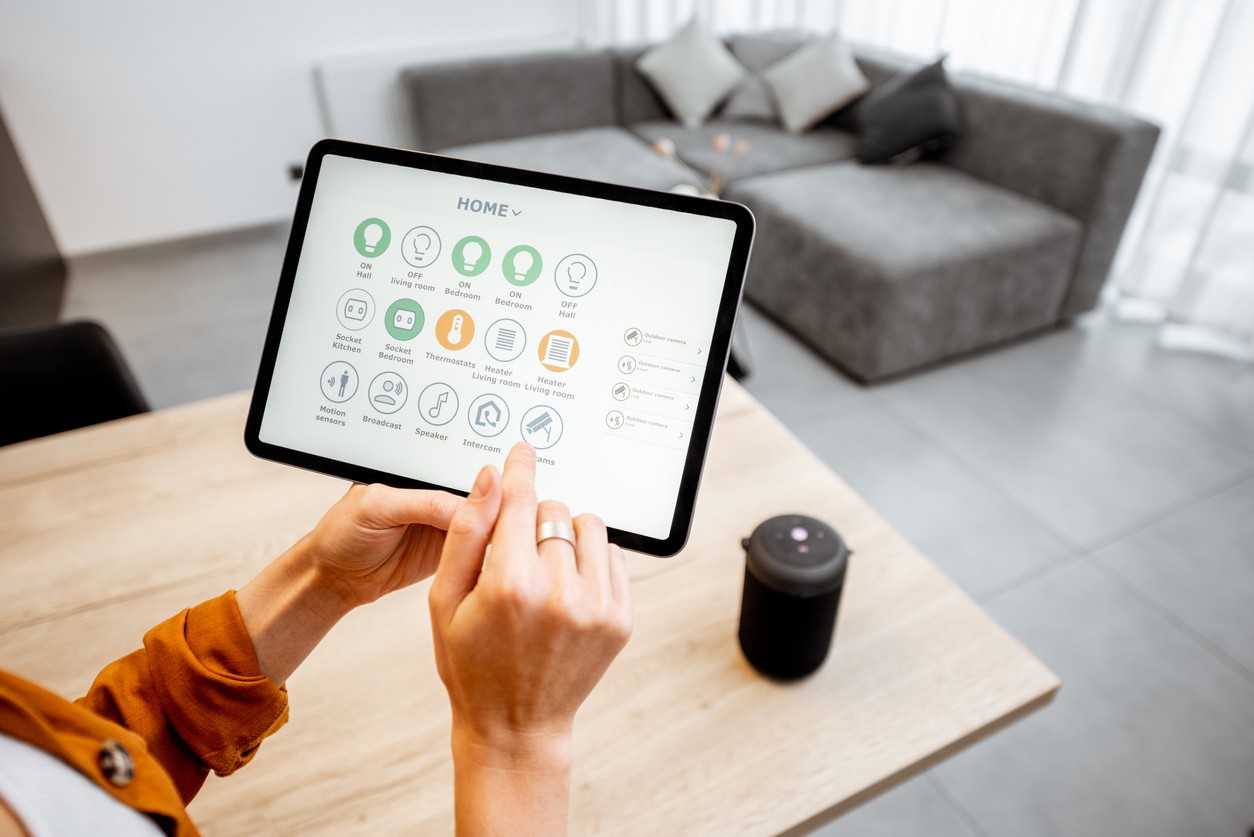
Technology is increasingly becoming part of daily household life. Smart homes are one of the clearest examples of how Future Lifestyle & Digital Trends are transforming the way people live.

Smart living refers to homes equipped with internet-connected devices that can automate and control everyday tasks. These technologies make life more convenient, efficient, and secure.
Examples of Smart Living Technologies
- Smart thermostats that adjust temperature automatically
- Voice assistants that control lights and appliances
- Security cameras connected to mobile apps
- Automated lighting systems
- Smart refrigerators and kitchen appliances
For example, a smart thermostat can learn your daily routine and adjust the temperature automatically to save energy. Similarly, voice assistants allow people to control their homes using simple voice commands.
These innovations are part of the broader Future Lifestyle & Digital Trends movement where technology adapts to human needs instead of the other way around.
Artificial Intelligence in Everyday Life
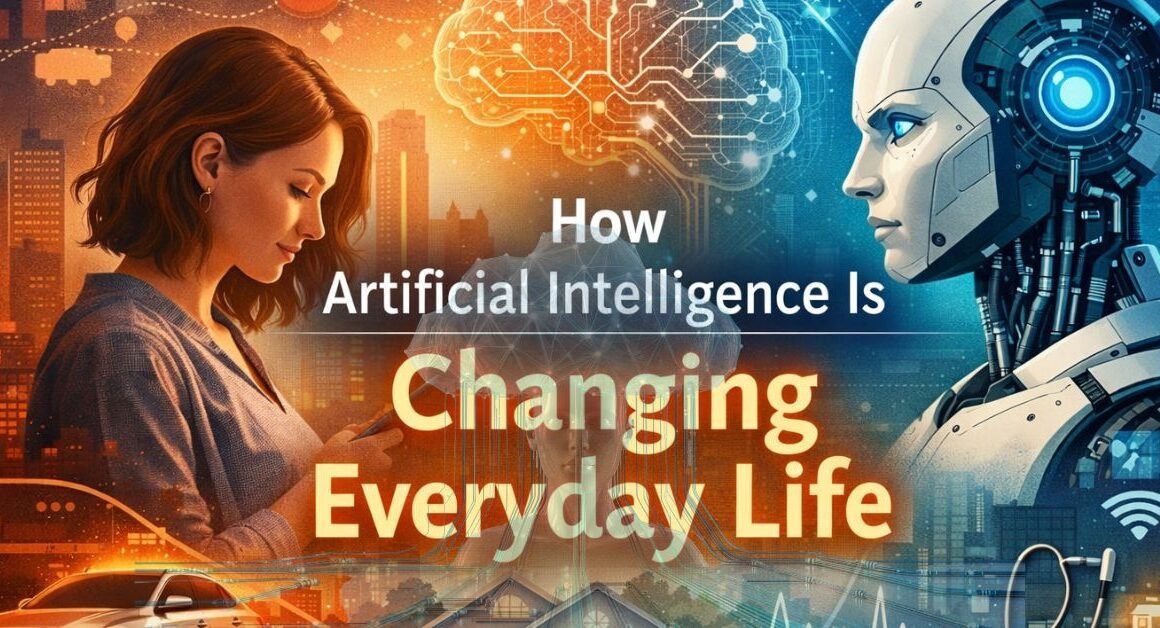
Artificial Intelligence (AI) is one of the most powerful forces behind modern digital transformation. AI is no longer limited to laboratories or large corporations—it is now integrated into everyday tools and services.
Today, AI powers:
- Voice assistants
- Recommendation systems on streaming platforms
- Online shopping suggestions
- Customer service chatbots
- Language translation tools
For example, when a streaming service suggests movies based on your previous viewing history, it is using AI algorithms to understand your preferences.
How AI Is Improving Daily Life
AI technologies help people in many ways:
Personalization
Apps and platforms can tailor recommendations to individual preferences.
Automation
Routine tasks such as scheduling meetings or sorting emails can be automated.
Efficiency
Businesses can analyze large amounts of data faster and make better decisions.
Accessibility
AI tools help people with disabilities through speech recognition and text-to-speech technologies.
These developments show how Future Lifestyle & Digital Trends are not just about convenience but also about making technology more inclusive and helpful.
The Growth of Remote Work and Digital Nomads
The concept of traditional office work has changed dramatically in recent years. Thanks to digital tools and cloud technology, millions of people can now work from anywhere.

Remote work is one of the most significant Future Lifestyle & Digital Trends shaping modern employment.
Why Remote Work Is Growing
Several factors have contributed to this shift:
- Faster internet connectivity
- Cloud-based collaboration tools
- Video conferencing platforms
- Digital project management systems
These technologies allow teams to communicate and collaborate even when they are located in different countries.
Benefits of Remote Work
Flexibility
Workers can choose their working hours and environment.
Improved Work-Life Balance
Employees can spend more time with family and avoid long commutes.
Global Opportunities
Companies can hire talent from anywhere in the world.
Lower Costs
Both businesses and employees can reduce travel and office expenses.

Because of these advantages, remote work has become a major part of Future Lifestyle & Digital Trends and will likely continue growing in the coming years.
Digital Health and Personalized Wellness
Healthcare is also evolving rapidly through technology. Digital health tools are helping people monitor their health, prevent diseases, and receive medical advice more easily.

These technologies represent another important aspect of Future Lifestyle & Digital Trends.
Examples of Digital Health Innovations
- Fitness trackers and smartwatches that monitor heart rate
- Mobile apps for mental health support
- Telemedicine services for online doctor consultations
- AI-powered diagnostic tools
Wearable devices, for example, can track steps, sleep patterns, and physical activity. This data helps users make healthier lifestyle choices.
Benefits of Digital Health
Preventive Care
People can detect potential health issues earlier.
Convenience
Patients can consult doctors online without visiting hospitals.
Personalization
Health apps provide recommendations based on individual data.
Better Awareness
Users become more aware of their daily habits and overall well-being.
Digital health technologies are making healthcare more accessible and empowering people to take control of their wellness.
The Impact of Social Media and Digital Culture
Social media platforms have become an essential part of modern communication. They influence how people interact, share information, and even shape cultural trends.
Platforms such as video-sharing apps, messaging services, and social networks are driving many Future Lifestyle & Digital Trends.
How Social Media Is Changing Society
Instant Communication
People can connect with friends and family worldwide in seconds.
Content Creation
Anyone can become a content creator and build an online audience.
Digital Communities
People with similar interests can form online communities.
Business Opportunities
Entrepreneurs and brands can reach global audiences through digital marketing.
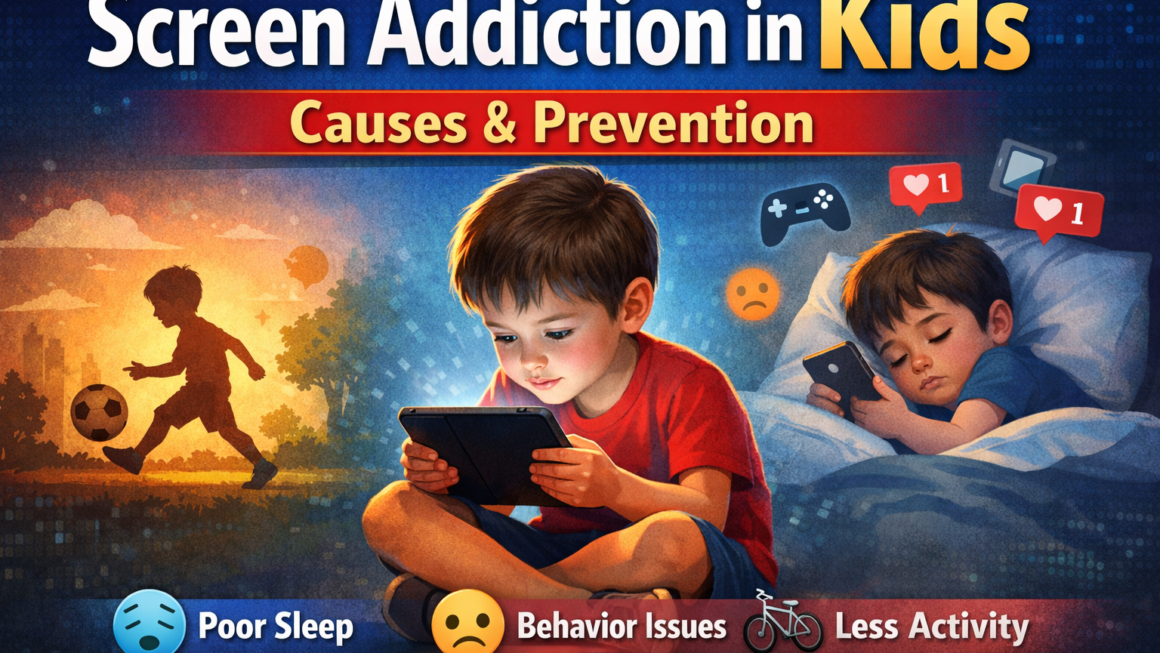
However, digital culture also brings challenges such as misinformation, privacy concerns, and digital addiction. As a result, many people are now focusing on creating a healthier relationship with technology.
The Importance of Digital Balance
While technology brings many benefits, it also raises concerns about overuse and dependency. Maintaining a balance between digital life and real life is becoming increasingly important.
A healthy approach to Future Lifestyle & Digital Trends includes mindful technology use.
Tips for Maintaining Digital Balance
Set Screen Time Limits
Limit unnecessary use of smartphones and social media.
Take Regular Breaks
Spend time outdoors and engage in physical activities.
Practice Digital Detox
Occasionally disconnect from devices to reduce stress.
Focus on Real-World Relationships
Spend quality time with family and friends offline.
By using technology responsibly, people can enjoy its advantages without letting it dominate their lives.
Emerging Technologies Shaping the Future
Several emerging technologies are expected to influence the next stage of Future Lifestyle & Digital Trends.
Virtual and Augmented Reality
Virtual Reality (VR) and Augmented Reality (AR) are creating immersive digital experiences in entertainment, education, and training.
For example, VR can simulate realistic environments for learning new skills or exploring virtual worlds.
Smart Cities
Urban areas are adopting technologies that improve transportation, energy management, and public services.
Smart traffic systems, for instance, can reduce congestion and improve road safety.
Blockchain and Digital Finance
Blockchain technology is transforming financial systems by enabling secure digital transactions and decentralized applications.
These innovations may reshape how people store value, transfer money, and manage digital assets.
How Businesses Are Adapting to Digital Trends
Companies across industries are adapting to Future Lifestyle & Digital Trends to stay competitive.
Digital Transformation Strategies
Businesses are investing in technologies such as:
- Cloud computing
- AI-driven analytics
- Automation systems
- Digital marketing tools
These tools help organizations improve efficiency, enhance customer experiences, and develop new products.
Customer-Centered Innovation
Modern businesses focus on understanding customer needs and delivering personalized experiences.
For example, online retailers analyze user behavior to recommend products that match individual interests.
Companies that embrace these digital trends are more likely to succeed in the rapidly changing digital economy.
Preparing for the Future Lifestyle
Adapting to future changes requires both awareness and continuous learning. Individuals can prepare for evolving Future Lifestyle & Digital Trends by developing digital skills and staying informed about technological advancements.
Skills That Will Be Important
- Digital literacy
- Critical thinking
- Adaptability
- Online communication
- Basic understanding of AI and data
Learning these skills helps people navigate the digital world confidently and take advantage of new opportunities.
Conclusion
The concept of Future Lifestyle & Digital Trends reflects the powerful relationship between technology and everyday life. From smart homes and artificial intelligence to remote work and digital healthcare, technology is shaping how people live, work, and interact.
These innovations bring many benefits, including convenience, flexibility, and improved access to information and services. At the same time, they highlight the importance of responsible technology use and maintaining a healthy digital balance.
As new technologies continue to emerge, the future lifestyle will likely become even more connected, personalized, and intelligent. By understanding these trends and adapting to them thoughtfully, individuals and communities can build a future where technology enhances human life rather than replacing it.
The digital world is evolving rapidly, and those who embrace learning and innovation will be best prepared to thrive in this exciting new era.
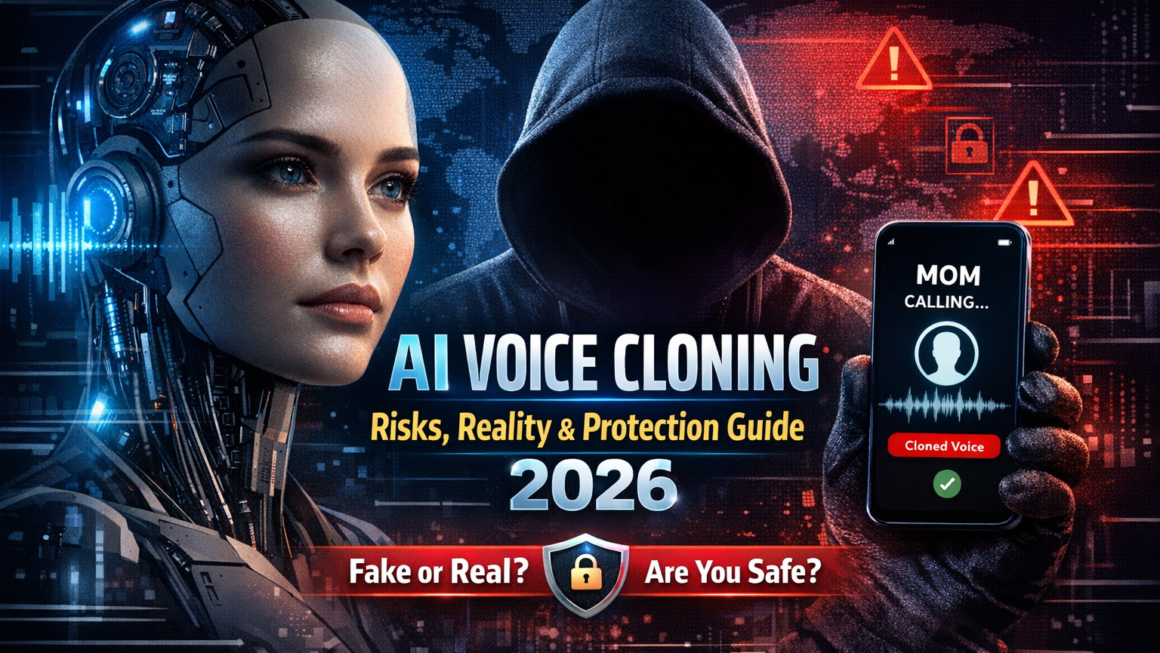
Artificial intelligence is transforming how we communicate, work, and access information online. As AI tools become more advanced, people must also understand the risks and ethical concerns connected to them. You can also read our detailed guide on deepfake technology and its dangers at Kainattrendscapes.com.
FAQs About Future Lifestyle & Digital Trends
1. What are Future Lifestyle & Digital Trends?
Future Lifestyle & Digital Trends describe how technology is transforming the way people live, work, and interact. These trends include smart homes, artificial intelligence, remote work, digital healthcare, and connected devices that make everyday life more efficient, convenient, and personalized.
2. Why are Future Lifestyle & Digital Trends important?
Future Lifestyle & Digital Trends are important because they shape how societies adapt to new technologies. They influence industries, communication, education, healthcare, and employment while helping people improve productivity, lifestyle convenience, and access to digital services.
3. How is artificial intelligence influencing future lifestyles?
Artificial intelligence is a major part of Future Lifestyle & Digital Trends. AI powers smart assistants, recommendation systems, automation tools, and digital services that simplify everyday tasks. It helps businesses analyze data, improves healthcare solutions, and enhances personalized user experiences online.
4. What technologies will shape the future digital lifestyle?
Several technologies are expected to shape Future Lifestyle & Digital Trends, including artificial intelligence, smart home devices, wearable health technology, virtual reality, blockchain, and cloud computing. These innovations will continue to transform communication, work environments, and daily activities.
5. How can people prepare for future digital lifestyles?
People can prepare for Future Lifestyle & Digital Trends by learning digital skills, staying informed about new technologies, and improving online security awareness. Developing skills like digital literacy, adaptability, and problem-solving will help individuals succeed in a technology-driven future.
6. Where can I learn more about digital trends and future technologies?
To explore more research and insights about global technology and innovation trends, you can visit the World Economic Forum, which regularly publishes reports and analysis on emerging digital technologies and future lifestyle developments.